Major arcana · 1
The Magician
The moment ability becomes an act
The materials are already on the table. The Magician stops discussing what could be done and begins working with them. Making something gives the idea its first real test.
- Agency
- Skill
- Attention
- Influence
14 min read
In this guide
Something happens because you act
A room can contain a good idea and all the tools needed to realise it, yet nobody begins. Then someone makes a rough version that the group can respond to. The conversation has something concrete to work from, and a decision becomes easier. The Magician describes this moment when a person's ability starts making a difference to what happens.
In a reading, the Magician brings attention to how you use the skills and materials already available. You may have been waiting to feel better qualified before attempting anything, or worrying about whether others will welcome your contribution. Consider what you could produce with your present abilities. A first result gives you something to discuss and improve, and it may require less additional preparation than you thought.
The Magician does more than begin. He makes a connection between an intention and a method. The Fool is drawn toward experience; the Magician starts to recognise what he can do with it. You begin to understand what made a result possible and can call on that knowledge deliberately. The talent becomes something you can use again.
The card can also describe a persuasive person who changes the way a room pays attention. Their explanation makes a difficult idea accessible, or they find a workable approach when a conversation has stalled. This confidence may come from considerable skill. Sometimes, though, the presentation is stronger than the work behind it. Ask about what they can deliver and where their experience ends; their response will help you judge the difference.
The card's promise is agency, with its corresponding responsibility. If your words and actions have an effect, you have some influence over the situation. You also have a reason to examine how you use it. Solving a problem may also make others dependent on your help. An impressive result might attract admiration while concealing a weakness in how it was achieved. Effectiveness by itself does not tell the whole story.
One hand raised, one hand pointing down
The figure stands between a raised wand and a hand directed toward the ground. The gesture joins two levels of the picture. An idea, intention, or imagined possibility needs a place in the material world; otherwise it remains suspended above the work. This is one way to read the image's force without assuming that thought alone commands events.
On the table are the objects of the four suits: a cup, sword, wand, and pentacle. Each has its own use. A conversation might require emotional understanding before a clear distinction can be made. Starting the work then takes energy, while continuing it requires resources. If you always reach for the tool you know best, you may miss what this particular problem needs.
The horizontal figure of eight above his head contrasts with the definite table in front of him. Imagination can range widely; an actual act must happen somewhere, with particular materials and constraints. The image permits a reading of continuing possibility held within a focused performance. The performer cannot make every possible thing at the same time.
Flowers surround the scene, and the figure's clothes contribute to its effect. Presentation is part of the card. A demonstration has an audience, even when that audience is only the person making it. Beauty, confidence, and careful arrangement can help attention gather. They can also distract from what the hands are actually doing.
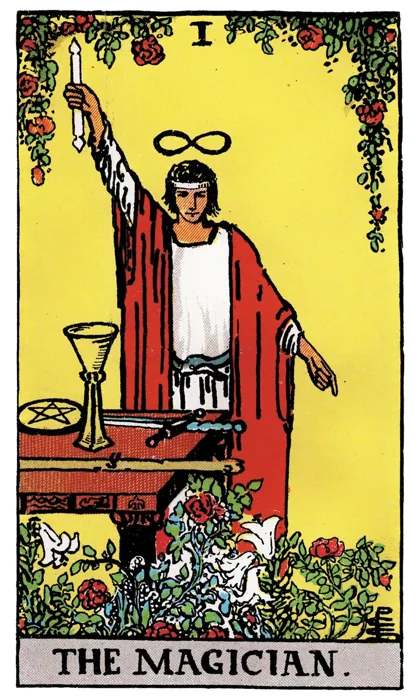
The objects share a table without becoming interchangeable. The useful question is which resource the task needs, rather than which one you most enjoy displaying.
The upward gesture belongs to a figure also pointing toward the ground. The picture keeps imagined possibility and practical application in the same body.
The pleasure of discovering that you can
Internally, the Magician can feel like concentration gathering after a period of scattered interest. Things you learned separately begin to connect. You know enough to ask a useful question, see a route through the task, or improvise when the first method fails. Confidence becomes less abstract because an actual result is starting to support it.
There is pleasure here in fluency. A sentence takes the form you wanted, or a tool finally responds as you intended. Explaining something difficult to a person who then understands it can bring a similar satisfaction. Such moments can restore a sense of participation after feeling at the mercy of circumstances. You are making a contribution to what happens next, even if you do not control the entire outcome.
As a person, the Magician often understands how a system works and can explain it in a way others can use. This resourcefulness serves them well in teaching or negotiation, as it does when making something. People come to expect an answer from them. Over time, that expectation can make it difficult to admit when they need to learn more themselves.
The less secure Magician keeps performing competence after its limits have been reached. A question receives a convincing answer before the facts have been checked. A promise is made because hesitation would interrupt the impression. The person may then work furiously to become capable of what they have already claimed, while others organise their expectations around the claim.
Mature skill makes room for a more ordinary sentence: this part I can do; that part I need to learn or bring someone else in for. A clear limit can increase trust. It tells people that the confidence they are seeing has an edge they are permitted to examine.
The responsibility of making an impression
The Magician raises a deeper question about the relationship between attention and reality. What you attend to affects what you notice, practise, and make available to others. A well-chosen description can reveal an option that was previously invisible. It can also narrow a situation so effectively that the excluded parts stop being considered.
Language is particularly important here. Naming a difficulty can make it workable; naming a person can confine them. A label such as unreliable, gifted, difficult, or indispensable may begin as an observation and become an arrangement everyone helps maintain. The Magician asks you to notice when your interpretation has acquired practical power.
Acting allows the world to respond, sometimes in a way you did not expect. That response is part of what makes the attempt useful. If you only welcome results that confirm your intention, you lose information the work could have given you. Let feedback affect how you proceed. Your competence develops as you discover what the method needs to do differently.
There is an ethical threshold wherever an advantage in knowledge or expression gives you influence. You may understand a system that someone else finds intimidating, or speak confidently while they struggle to formulate a concern. Your skill can help them participate more fully. It can also make agreement easier to obtain than understanding. Those are different achievements.
Give people a first version to work with
At work, the Magician favours a useful first deliverable. A sketch, sample lesson, prototype, outline, or clearly framed proposal gives a conversation an object. People can disagree about something visible rather than continually comparing private pictures of what the task should become. This is often where momentum begins.
The card is especially relevant when you have been underestimating transferable skill. Teaching experience may help you explain a product to someone unfamiliar with it. An editorial background can improve how you approach research, while coordinating a household may have given you practical organisational skills. Translate that experience into an observable contribution. A claim that everything you have ever done is relevant will be less persuasive than one example of how it helps here.
Creative work benefits from the Magician's willingness to use technique. Inspiration does not have to remain mysterious in order to matter. You can learn how a scene creates tension, how a composition guides the eye, or how a demonstration makes an abstract idea graspable. Deliberate craft gives an intuition more ways to survive the passage into form.
The shadow appears in the project that is always being pitched and rarely being made. Explaining the idea produces admiration; completing it exposes the limitations. The presentation grows increasingly polished because it offers a reliable sense of accomplishment without demanding contact with the difficult middle of the work.
Leadership brings another version. A capable person can solve everything personally and become the bottleneck that prevents everyone else from learning. Explain the reasoning behind the result and document enough of the method for others to use it. They will also need access to the relevant tools. If the operation becomes less dependent on your continuous intervention, your competence has produced something durable.
Useful resources, persuasive promises
In material life, the Magician asks what can be done with resources already present. An unused skill, existing tool, neglected space, or connection between people may have more practical value than the next purchase. Resourcefulness begins by looking closely enough to distinguish what is actually missing from what merely feels like preparation.
This is also a card for examining an offer's mechanism. A persuasive explanation can make a commitment feel clearer than it is. Ask what is being provided, what must be supplied by you, and what evidence supports the promised result. The speaker's confidence may be useful information about their manner; it is not a substitute for the terms.
When your own skill becomes something you charge for, name the deliverable and its boundaries. People cannot assess value clearly if the offer depends on an aura of unlimited ability. A modest, explicit service can create a more trustworthy exchange than an impressive promise whose scope changes whenever someone asks a practical question.
At home, a clever workaround may solve a recurring irritation, but ingenuity can also conceal an arrangement that needs proper repair. Notice whether the improvised solution reduces future work or makes you permanently responsible for keeping a fragile mechanism functioning. The most resourceful choice is sometimes to stop improvising around the same defect.
Charm becomes meaningful through what follows
In a relationship, the Magician can bring the pleasure of someone taking initiative. A thoughtful invitation gives a hesitant conversation somewhere to go. You may be drawn to the person's competence as much as their attention: they seem at ease in the setting and know how to make an occasion enjoyable. Allow yourself to notice what specifically appeals to you about being with them.
Charm is not inherently deceptive. An artful gesture can be a sincere attempt to communicate affection. The question is whether the performance remains connected to the person receiving it. A beautiful evening arranged around your actual preferences differs from one in which your role is to admire the organiser's ability to arrange beautiful evenings.
In an established relationship, the card can encourage a more active contribution. If you want a conversation, a shared experience, or a change in routine, give the wish a form the other person can respond to. Waiting to be understood without making the request may preserve the fantasy of perfect attunement while preventing an ordinary workable exchange.
The difficult version is a relationship managed through wording. An elegant explanation makes the conversation feel resolved, yet the behaviour that raised the concern continues afterward. You may begin doubting your judgment because the other person's account is consistently more fluent than yours. Return to what was agreed and what happened afterward. Fluency does not settle the facts.
If you are the more persuasive person, leave room for an answer that arrives slowly. Do not treat another person's difficulty expressing a need as evidence that the need has no merit. Intimacy requires moments when you can set aside the clever response and be affected by something you did not arrange.
Concentration is a resource you spend
The Magician's focus can feel inexhaustible while the task is absorbing. You solve one problem and immediately see three more things you could improve. The danger is allowing capability to create an endless queue of obligations. Being able to intervene does not make every intervention yours to perform.
Give concentrated work a beginning and an end. Prepare what the next session needs, then let the unfinished part remain unfinished for a while. Rest becomes difficult when you regard every available moment as another resource that must be converted into output.
A sense of agency can support wellbeing, but it should not become a theory that every difficulty could be removed through stronger intention. Bodies, circumstances, and access to support have real limits. The card is useful for identifying an available action; it cannot make personal control unlimited or diagnose why your capacity has changed.
Use the skill; examine the purpose
Choose one effect you want to produce and one method capable of producing it. Then make something that can be used, questioned, or tested by someone outside your own explanation. The result need not be impressive. It needs to put your understanding in contact with the task.
Watch the temptation to acquire another tool whenever the work becomes uncomfortable. Preparation can become a respectable form of avoidance, particularly when learning and shopping both feel more rewarding than the first imperfect attempt. Use the equipment you have long enough to discover a specific limitation before deciding what must be added.
The ethical warning concerns influence. You may be able to obtain agreement by selecting which facts receive attention, speaking faster than someone can consider, or making doubt socially awkward. A more responsible use of the same ability makes the choice easier to understand. Let your skill improve another person's capacity to decide, including their capacity to decline.
The appearance of power and the difficulty of using it
Reversed, the Magician can describe unused ability, divided attention, an unreliable performance, or a gap between promise and competence. The card does not establish that somebody is lying. It invites examination of the relationship between what is presented and what can actually be done.
One expression is knowing a great deal without applying it. The person understands the method well enough to recommend tools and warn others about common mistakes. Their own understanding remains untested, though, because they keep avoiding an actual piece of work. They may be protecting a self-image as capable by remaining just short of an observable attempt.
Another expression is scattering capability across too many undertakings. Each opening seems plausible because the person could probably do it. The problem lies in the total. Promises accumulate faster than focused time, and a genuine talent begins to look unreliable through poor selection of commitments.
There can also be deliberate misdirection. Confident language may obscure a weak result. When someone asks about missing information, the speaker may dismiss its relevance or make the questioner feel foolish for needing an answer. Look for specific discrepancies rather than making the card itself an accusation. A trustworthy practitioner can discuss limits and evidence without requiring personal faith.
The reversal may instead mark the end of a performance you no longer wish to maintain. You admit that you need help, withdraw an exaggerated claim, or stop presenting a competence you have outgrown. That can feel like losing power while actually making your actions more accurate. A smaller honest capacity is easier to build on than an impressive fiction.
The practical response depends on the gap. If the method is missing, learn it. If attention is divided, choose. If the claim is too large, revise it. If confidence is the only missing ingredient, begin with a result small enough to let evidence carry some of the weight.
What gives the act its direction
The Magician supplies initiative and method. Nearby cards can reveal the purpose, missing resource, or ethical question around that ability.
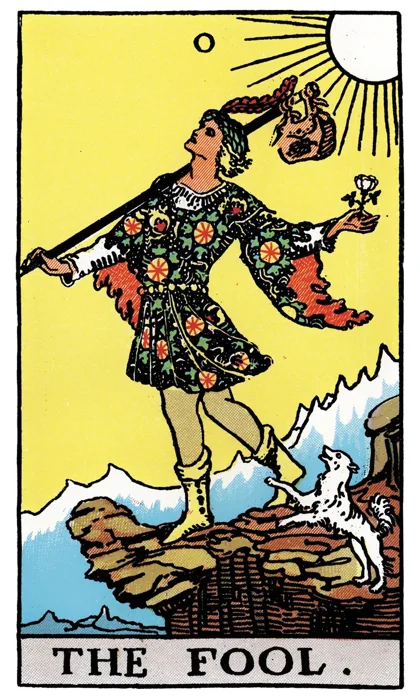
With The Fool
The Fool brings a new opening to available skill. Make a first attempt before demanding a complete account of the future. The combination asks how curiosity and competence can support each other without either becoming an excuse to ignore limits.
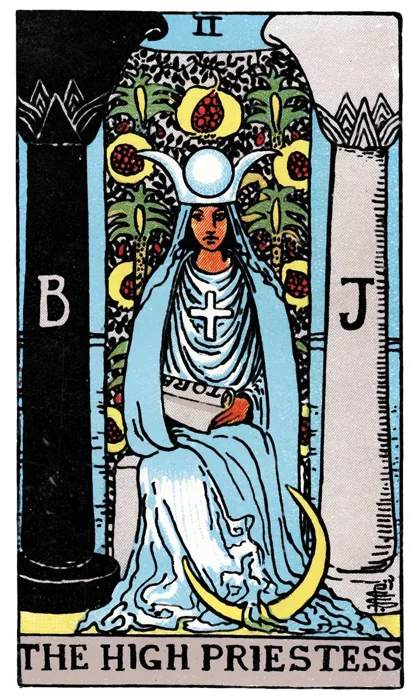
With The High Priestess
The High Priestess adds information that has not yet become clear. Effective action may require a period of observation. Listen for what the confident explanation leaves out before deciding that the task has been fully understood.
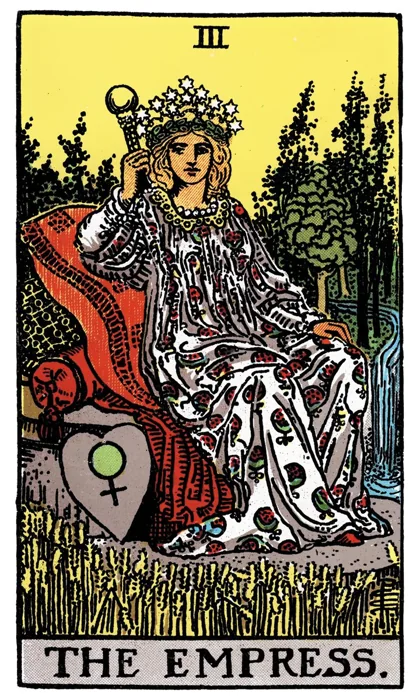
With The Empress
The Empress gives the technique a living environment. An idea may need materials, pleasure, time, and care as much as a clever method. Consider whether the conditions allow the work to develop after its first successful demonstration.
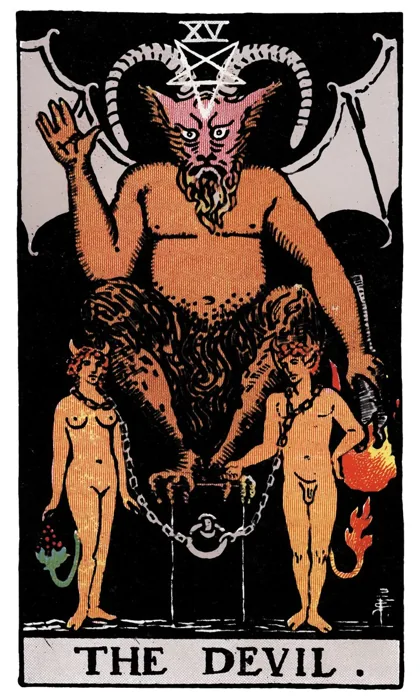
With The Devil
The Devil raises questions about incentive and control. Skill may be producing a result that keeps someone dependent or serves an attachment you have stopped examining. Look at the actual bargain rather than treating effectiveness as sufficient justification.
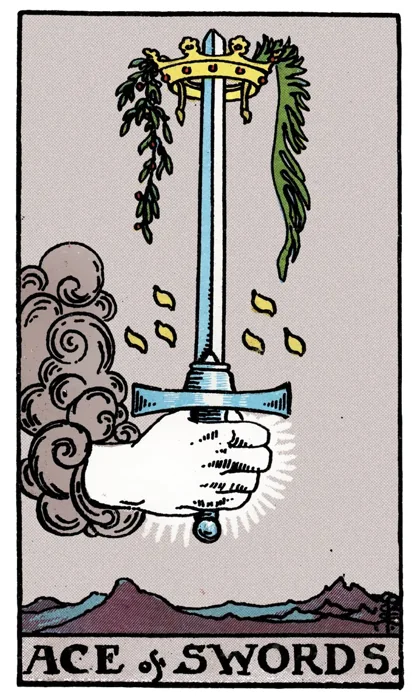
With Ace of Swords
The Ace of Swords sharpens the question. Define the result clearly enough that an attempt can teach you whether the method works. A precise brief may release more movement than another broad declaration of intention.
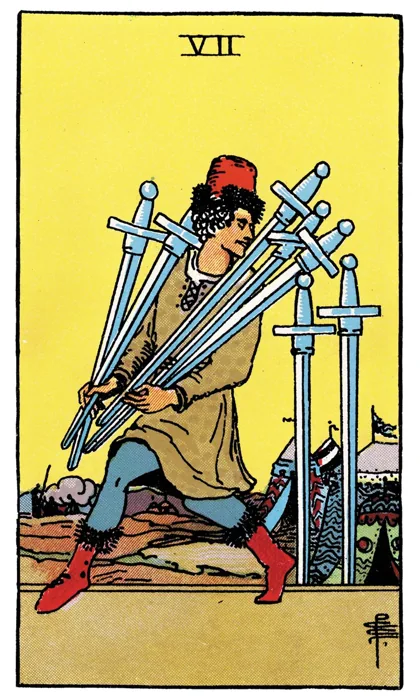
With Seven of Swords
The Seven of Swords draws attention to selective disclosure. A strategy may require discretion, but others still need the information relevant to their participation. Check the difference between legitimate privacy and an omission that makes consent uninformed.
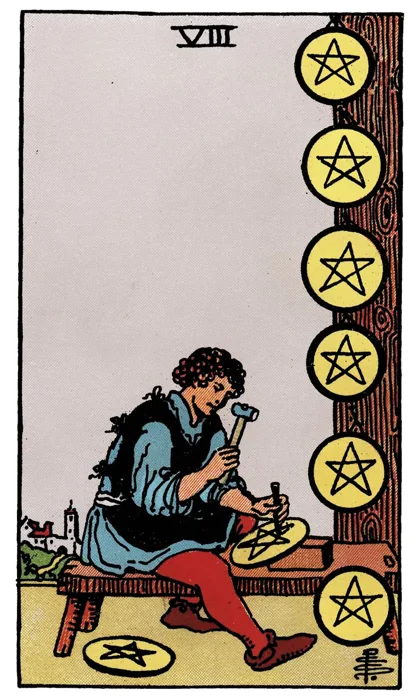
With Eight of Pentacles
The Eight of Pentacles turns a promising ability into a dependable practice. Repetition and feedback can make the result less dependent on a lucky burst of fluency. Give technique enough ordinary use to reveal where it still needs work.
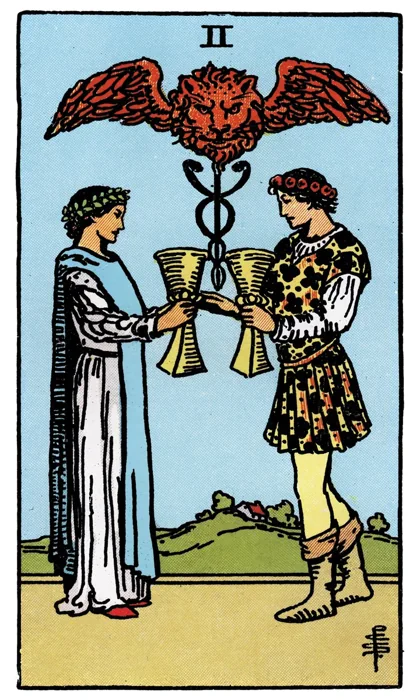
With Two of Cups
The Two of Cups asks whether influence is reciprocal. A proposal or invitation becomes a relationship through the other person’s response. Make something they can freely answer, rather than arranging the exchange around the response you want.
Giving an idea a form others can understand
The maker gives an idea a body. The translator carries understanding between people who do not share a language or method. The performer gathers attention around an act. Each figure makes something available that would otherwise remain private, scattered, or difficult to perceive.
Their shadows emerge from the same abilities. The maker may become possessive of the result; the translator may decide which meanings others are allowed to receive; the performer may require an audience even where a quieter contribution would serve. The card's ethical interest lies in what happens when capability acquires an audience.
A generous Magician leaves tools on the table where someone else can eventually use them. The accomplishment becomes larger than the moment of being admired for producing it.
Make one useful demonstration
Choose something you keep saying you could do. Define a small result and an actual recipient or use for it. Gather only the tools that result needs, and give yourself a period in which preparation must turn into an attempt.
Afterward, separate what worked from what merely looked promising. Ask which part depended on skill, which on circumstances, and what another attempt should change. The aim is a more accurate relationship with your own ability, including the parts that are stronger than you expected.
Artwork & interpretation
Waite connects the raised and lowered hands with bringing spiritual gifts into expression, and identifies the objects on the table with the four suits. This essay develops an original practical reading of skill, agency, and influence. A. E. Waite, The Pictorial Key to the Tarot: The Magician.
The symbolic associations and examples offer ways to read a situation. They do not establish another person’s thoughts or fix an outcome.
Being able to produce an effect does not settle whether the effect is worth producing.
Use the cards in a spread →