Swords · Three
Three of Swords
The truth that hurts, and the story you build around the hurt
The Three of Swords gives emotional pain a direct image. An experience has hurt because you cared about what was at stake. It deserves acknowledgement before you are asked to learn from it or decide what it says about the rest of your life.
- Heartache
- Disappointment
- Separation
- Painful clarity
16 min read
In this guide
Something mattered, and something about it hurts
There are sentences you understand immediately and still find yourself reading again. The information is clear; its place in your life is not. A refusal, an admission, an ending, or a remark you cannot quite dismiss has changed the account you were living inside. The Three of Swords belongs to that difficult interval between knowing what happened and learning how to carry it.
In a reading, the card can describe disappointment, a painful conversation, separation, rejection, a breach of trust, or grief for something that will not take the form you hoped. The scale depends on the actual situation. A small event can touch a large expectation, while a major change may initially feel strangely distant. The image does not tell you how you are supposed to react.
The card is direct about hurt, but it is not evidence that a new disaster is approaching. Nor do three swords establish a love triangle, betrayal, or a particular number of people involved. Begin with the experience you actually know. The value of the reading lies in making room for that experience without adding frightening claims the card cannot support.
Pain may come from the event itself and from the future that had been attached to it. You lose the relationship, opportunity, or plan, and also the version of the coming year you had quietly furnished around it. Those losses may need different kinds of acknowledgement. Missing an imagined future does not make the grief foolish. It explains part of what has been interrupted.
The Three can also concern words that divide. Something is said too sharply, a private vulnerability is used in an argument, or a truth arrives in a form that causes an avoidable wound. The distinction between the content and the delivery matters. A statement can contain information you need while also having been used in a way that deserves to be addressed.
As a reflective card, the Three asks for accuracy and care at the same time. What happened, what did it mean to you, and what are you now telling yourself because it hurt? These questions should not be used to argue you out of feeling. They help prevent a particular injury from expanding into a total judgement about your worth, your future, or every relationship you might have.
A heart in weather, with no person assigned to it
A red heart is pierced by three swords beneath heavy clouds and falling rain. There is no figure, room, or landscape to explain whose pain this is or how it began. The image concentrates the experience so strongly that it can be recognised before a story has been supplied. Its simplicity is part of its force.
The pierced heart represents emotional pain. It gives a visible form to the experience of being hurt where you cared about something or felt vulnerable. The image cannot diagnose a physical condition, and it offers no prediction of bodily harm. Read it in relation to the feeling and the circumstances that need acknowledgement.
The swords introduce thought and language into that image. A painful fact can become sharper through the sentence repeated around it. This does not mean that suffering is merely a mistaken thought. It asks whether the explanation you keep returning to is accurately describing the event or repeatedly enlarging its reach.
The rain makes the whole scene feel exposed. There is no shelter shown and no neat visual promise about when the weather will change. A practical reading can respond by asking what shelter is available in the real situation: a person who can listen, a limit on further conflict, a simpler day, or one ordinary task made easier.
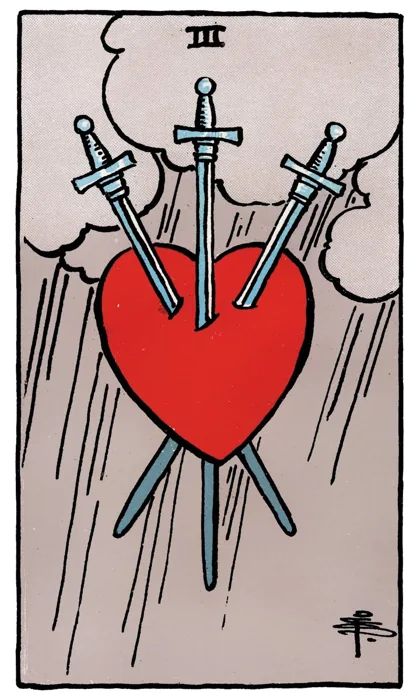
The image names pain without explaining its cause. Begin with the hurt you actually know, rather than using the picture to infer a betrayal, a future event, or a verdict about another person.
The weather fills the scene. Consider the modest forms of support that can make the present period more manageable, without requiring the pain to disappear before ordinary care becomes worthwhile.
The mind keeps returning to the point of impact
The Three can feel like a phrase, image, or moment that keeps taking possession of attention. Reconstructing the conversation may lead you back to earlier signs, followed by thoughts of what you wish you had said. Some review may help you understand what happened. Beyond a point, the repetition may cease producing information and simply bring the injury back into the room.
There may be a strong wish to find the explanation that will make the experience stop hurting. If you can understand exactly why, perhaps the loss will become manageable. Understanding can help, but it may not remove the attachment that makes the event painful. You can know a relationship was unsuitable and still miss the person; know a decision was necessary and still grieve its cost.
Shame can gather around the fact that you cared. You may feel exposed for hoping, trusting, or wanting something that was not returned. The card invites a more exact account. A disappointing outcome does not make the original capacity for attachment an error in itself. What you learn about this situation need not become a rule against ever being open again.
Anger may appear beside sadness, along with relief, numbness, embarrassment, or a practical urge to get on with the day. These responses do not have to arrive in a correct order. A period of ordinary functioning does not prove the event meant nothing, and a later return of feeling does not erase whatever understanding has already developed.
In its difficult form, the event begins to define identity. You see yourself as someone who is always rejected and cannot trust, making even a new hope feel foolish before it has been tested. Such accounts can feel convincing because they give pain a coherent story. Ask which part describes the present facts and which part claims authority over a future that has not happened.
A more constructive state makes room for the hurt while retaining other parts of the self. You are a person to whom this happened, with particular feelings and needs now. You also remain someone with tastes, skills, relationships, and experiences that the event does not fully describe. Keeping those parts in view is not a denial of the pain.
A painful fact does not contain a complete philosophy of life
The Three touches the meeting point of attachment and knowledge. Something you wanted to believe has encountered a fact it cannot comfortably contain. The difficulty may lie in changing the account without deciding that the whole past was false. The affection and effort you remember can have been real, even when the same story includes profound disappointment.
A painful clarity can be valuable, but that does not mean the hurt was necessary, deserved, or secretly arranged for your development. You are not required to be grateful for an injury in order to make something useful from what you now understand. Meaning can be made afterwards without retroactively justifying what happened.
The card also asks about the authority pain acquires. Because the experience is vivid, its conclusions may feel more truthful than quieter evidence. One cruel sentence can outweigh years of more mixed contact; one rejection can appear to reveal your permanent place in the world. The intensity deserves care, while the conclusion still deserves examination.
There is an ethical dimension when you are the person who must communicate a painful truth. Avoiding every hurt can keep someone inside an arrangement that is no longer honest. Yet honesty does not excuse adding contempt or unnecessary detail. The task is to say what the other person needs to know while taking responsibility for the way you bring it.
The deeper movement is towards an account large enough to hold both reality and humanity. Acknowledging an ending need not discredit your capacity to love. Responsibility can also be specific: you may recognise your part in a conflict without accepting blame for everything. The truth becomes more livable when it is precise enough to leave room for the rest of life.
Name the hurt before deciding what repair would mean
In relationships, the Three can describe a painful disagreement, an ending, a disappointment in what was promised, or a need that has repeatedly gone unmet. It cannot prove infidelity or tell you what someone secretly feels. Begin with the event or pattern that can actually be described. A clear account is more useful than a frightening story added by the card.
If repair is wanted, identify what was hurt. Was it trust in an agreement, confidence that your perspective mattered, a sense of being chosen, or the expectation that a private vulnerability would be handled with care? Different injuries require different responses. A general reassurance may miss the specific place where the relationship became difficult to trust.
An apology can matter without making the pain disappear immediately. The person receiving it may need time, a change in behaviour, or a clearer understanding of what will happen differently. Forgiveness, renewed trust, and continued contact are separate questions. Nobody has to answer all of them in the same moment simply because an apology has been offered.
The card can also concern a necessary ending that hurts both people. A relationship may contain affection and still be unable to provide a workable future. A clear ending can be kinder than repeated returns made chiefly to relieve the distress of separation. Kindness here includes honest limits as well as consideration for the other person's experience.
Friendship and family can produce equally significant pain, even when the surrounding culture gives those losses less formal recognition. Being excluded, misunderstood, or treated carelessly by someone whose opinion matters can alter your sense of belonging. You do not need to rank the relationship against romance before acknowledging the effect.
After hurt, a new boundary may be appropriate. Make it about the actual pattern and what you need now, rather than a permanent judgement that every similar person or connection will behave the same way. The boundary can provide protection while leaving future decisions responsive to new evidence.
A rejection is information with an emotional cost
At work, the Three can concern rejection, difficult feedback, a broken agreement, exclusion, or the end of a project that mattered. Professional language can make these experiences sound purely practical, but work often carries identity, hope, and a wish to contribute. The emotional effect deserves recognition alongside the next administrative step.
A rejection may tell you something about fit, timing, execution, or the preferences of a particular audience. It rarely contains a complete assessment of your future. Extract what can actually be learned without requiring the event to become either meaningless or a definitive verdict on your ability.
Feedback can be useful and poorly delivered at the same time. Consider the specific observation, what evidence supports it, and what change would improve the work. You can use a valid point without endorsing the manner in which it was made. Conversely, a considerate tone does not make every criticism accurate.
A disappointing collaboration may require both practical closure and an account of what changed. Clarify unfinished responsibilities, what can be retained, and what should not be assumed in a future project. The useful lesson is specific enough to guide a different arrangement, rather than a rule that collaboration itself is impossible.
For creative work, there may be grief when the finished result cannot become the work you imagined. Some of that gap belongs to learning the medium; some may reveal a project that needs revision or release. Let the particular work have limits without turning those limits into a judgement that the original impulse was foolish.
The professional shadow is trying to erase the feeling by immediately proving yourself through more work. A new task can be welcome, but it may also become a way to avoid understanding what the disappointment has changed. Give the event a little room before making it responsible for an entire new campaign to establish your worth.
Deal with the practical effect without making it a verdict on you
A disappointing outcome can have material consequences as well as emotional ones. A plan changes, a shared arrangement ends, or something expected does not arrive. Separate what needs attention now from the wider story about why it happened. A concrete list of the immediate tasks can make the situation more manageable without pretending the feeling has been resolved.
Shared possessions and household routines may carry attachment after a relationship changes. An ordinary object can suddenly feel difficult because it belongs to an expected future. Decisions about what to keep or change may need both practical consideration and time. There is no requirement that every object be assigned its final meaning at once.
Spending or giving can become an attempt to make hurt disappear through a gesture. Ask what the action can realistically provide. A purchase may offer a welcome pleasure, but it cannot be required to settle a whole loss; a gift cannot purchase forgiveness or restore trust by itself.
The card does not forecast financial loss or decide the outcome of a practical dispute. Its reflective use is to keep disappointment from obscuring the particulars that need attention. Where a matter requires specialised advice, the card's emotional language should not substitute for the relevant facts and expertise.
Make the day manageable before making the pain meaningful
A painful event can make ordinary tasks feel heavier or leave attention returning to the same point. Consider what can be simplified for the present period. A smaller task, a clearer limit on further argument, or company that does not require a performance may be useful without becoming a solution to the whole experience.
Support is most helpful when it fits what is wanted. You may need someone to listen, help with an ordinary responsibility, sit quietly, or talk about something else for a while. Naming the form can make it easier for another person to respond without assuming that every conversation must produce a lesson or a plan.
The heart in the artwork is not a medical sign, and the card cannot explain symptoms or assess health. Its role here is symbolic: recognising hurt and considering ordinary care. Real health concerns should be understood through appropriate real-world assessment, independently of the card drawn.
Be exact about the injury and gentle about the person carrying it
Describe what happened without adding a conclusion about your whole worth or future. Then name what was lost or hurt: a promise, a hope, a sense of trust, an expected place in someone's life. The distinction helps the experience become more understandable without minimising it.
If a conversation is needed, choose its purpose. Do you want an explanation, an acknowledgement, a changed behaviour, a boundary, or a clear ending? One exchange may not provide all of these. A definite purpose can keep the conversation from becoming another repetition of the moment that caused the injury.
The shadow is rehearsing the hurt until the most painful interpretation becomes the only available one. Ask whether the current review is producing information or simply repeating the impact. You can set the question down temporarily without declaring it unimportant or pretending that you are finished with it.
Another shadow is rushing towards forgiveness, gratitude, or a lesson because unprocessed pain feels untidy. Let understanding develop at a human pace. You are allowed to acknowledge that something was hurtful before deciding whether it has taught you anything worth keeping.
The pain may be loosening, hidden, or repeatedly reopened
Reversed, the Three can describe an injury that is becoming more speakable, a gradual reduction in its hold, pain kept private, or a pattern that continually reopens the same difficulty. The reversal does not guarantee recovery or mean that you should already be over the experience. Look at what has actually changed in daily life and in the account you are carrying.
A constructive reversal may show that the event no longer occupies every available interpretation. You can remember something else about the relationship, return to an interest, or experience a good moment without feeling that it betrays the loss. These small changes can matter even when the hurt remains present.
Sometimes the pain has been tidied away too quickly. You can explain the situation sensibly but have given little place to its effect. A private acknowledgement or a conversation with an appropriate person may make the experience less isolating. There is no requirement to disclose it publicly or turn it into a dramatic scene.
The reversal can also concern repeated attempts at repair that never address the particular injury. A renewed apology may improve the atmosphere briefly, only for the same behaviour to return. Examine the change in conduct rather than the emotional intensity of the reconciliation. Trust needs something observable to grow around.
Another possibility is the wish to reopen the case until a different past becomes available. You keep seeking the answer that will make the event unhappen. It may help to distinguish what can still be clarified or changed from what now requires a different relationship with the fact that it occurred. This is a practical distinction, not a command to feel at peace with it immediately.
What does the hurt need in this particular situation?
These pairings explore disappointment, language, support, and repair. They do not establish betrayal, diagnose distress, or predict a painful event.
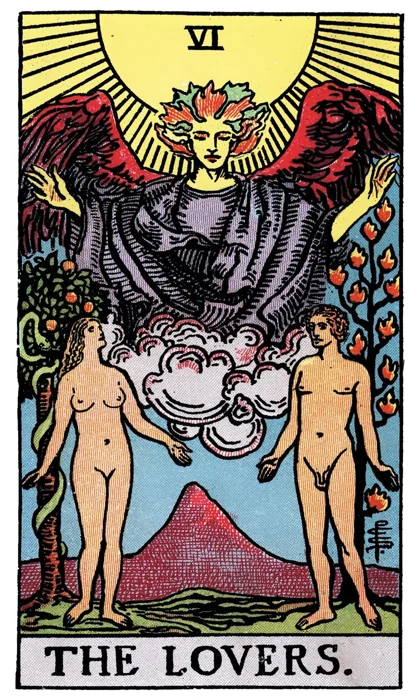
With The Lovers
With the Lovers, a painful choice may concern values or an incompatibility within a meaningful connection. Acknowledge what is real in the affection and what remains difficult in the arrangement. The decision does not need to make the entire relationship either perfect or worthless.
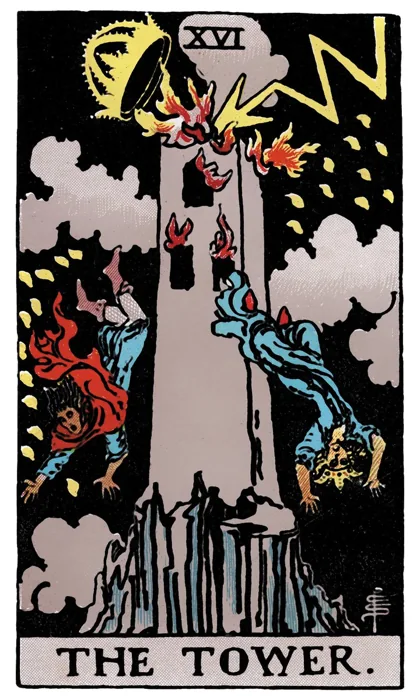
With The Tower
With the Tower, a sudden change may have disrupted both circumstances and the account you held of them. Separate immediate practical needs from conclusions that can wait. The shock is real, but it does not require you to determine the meaning of your whole life in the same moment.

With The Star
With the Star, a quieter sense of possibility may coexist with pain. Let a small source of support or interest count without requiring it to erase the injury. Hope can return in a modest form while the experience is still being understood.
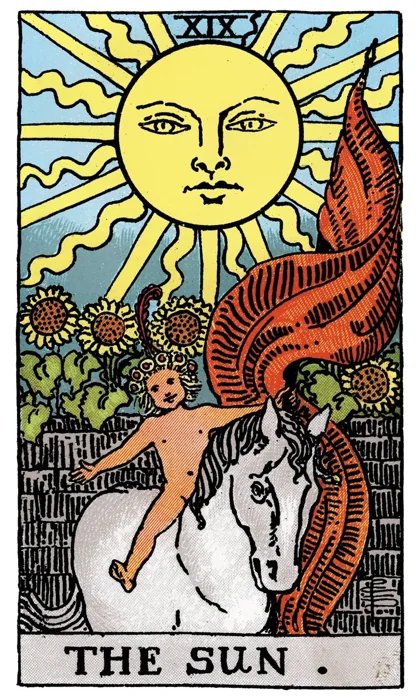
With The Sun
With the Sun, something may become clearer after being difficult to face. Clarity and relief can exist alongside sadness about what is now known. The pairing also allows a good moment its own place, without making enjoyment evidence that the earlier hurt was insignificant.
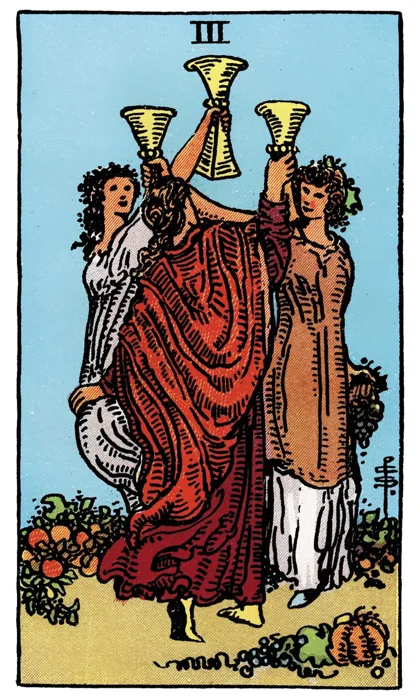
With Three of Cups
With the Three of Cups, trusted company may help keep the painful experience from becoming your only available world. Ask for the form of contact that is welcome. Friendship can provide ordinary continuity without requiring everyone to turn the situation into advice.
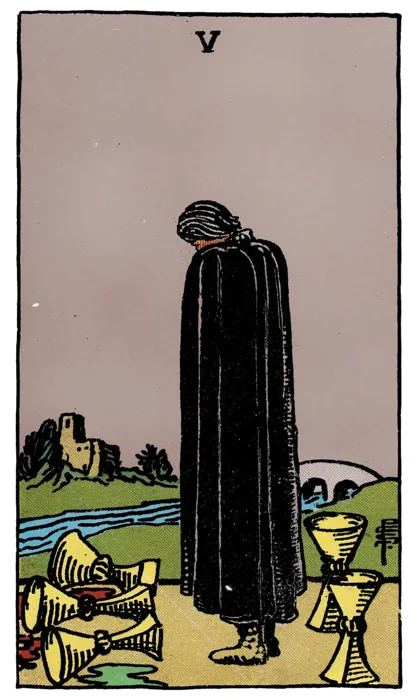
With Five of Cups
With the Five of Cups, attention may be strongly held by what was lost. Name that loss specifically before looking for what remains. Available support can be acknowledged at its own pace, without being used to argue that the missing thing should no longer matter.
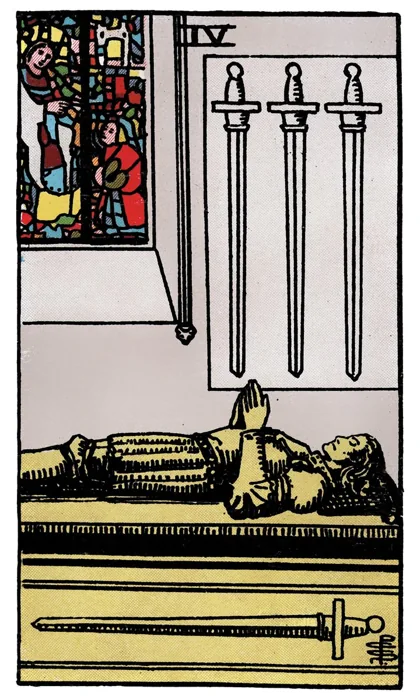
With Four of Swords
With the Four of Swords, a pause from repeated argument or interpretation may be useful. Give the immediate situation enough quiet for a more considered response to become possible. Rest need not mean that the issue is resolved; it can be part of making the next engagement less injuring.
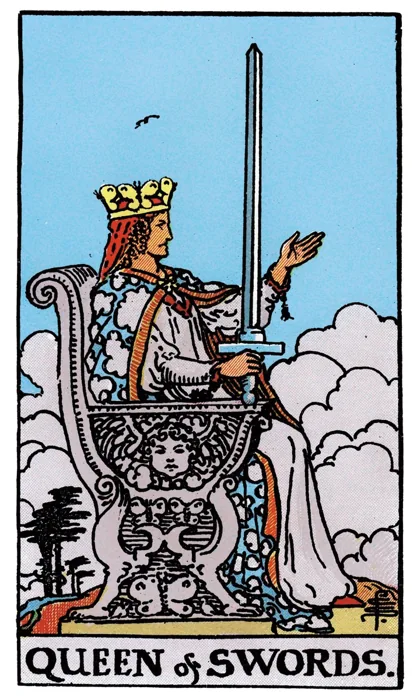
With Queen of Swords
With the Queen of Swords, pain may call for a precise boundary or an honest account of what can no longer continue. Keep the statement specific and proportionate. Clarity can protect you without requiring a permanent judgement about every person or future relationship.
When a familiar world changes meaning
A letter can change the future without altering the room in which it is read. The chair, light, and ordinary sounds remain, while the reader has to begin inhabiting a different account of what comes next. The image captures the disproportion between a small visible event and the life attached to it.
An empty place at a familiar table makes an absence concrete. The place may belong to a person, a former arrangement, or a hoped-for future. Its meaning cannot be settled simply by filling the space quickly. Something about the absence may need to be recognised before the room begins to feel different.
A broken sentence is what remains when the old explanation will no longer finish properly. The temptation is to replace it immediately with a total verdict. A more patient account may remain incomplete. You can say how much the experience mattered and that it hurts, while admitting you do not yet know what to make of it. There is honesty in stopping there for a while.
Separate what happened from what the hurt says about everything
Choose a disappointment you are currently able and willing to reflect on. Write the event in a few factual lines, then name the hope or trust attached to it. In a separate line, write the broadest conclusion you have been drawing about yourself or the future. Ask how much of that conclusion the actual event can support.
Choose one act of care or clarity suited to the present situation: a conversation, a boundary, a simpler responsibility, or contact with someone who can listen. You do not need to produce forgiveness or a positive lesson. The Three of Swords becomes practical when pain receives an honest place without being given the whole authorship of your life.
Artwork & interpretation
Waite describes the pierced heart, cloud, and rain and associates the card with division, absence, and rupture. This original essay explores the emotional and interpretive consequences of hurt, including careful language, support, and specific repair; the image is not treated as medical evidence or a prediction of betrayal. A. E. Waite, The Pictorial Key to the Tarot: Three of Swords.
The symbolic associations and examples offer ways to read a situation. They do not establish another person’s thoughts or fix an outcome.
Pain deserves an honest place in the account without being allowed to write every conclusion about you.
Use the cards in a spread →