Major arcana · 13
Death
The ending that changes what can continue
Death marks the point where maintaining an old form has become more costly than acknowledging its end. Relief can accompany grief. There may still be unfinished business to address as you begin to encounter the space that change has left.
- Ending
- Transition
- Release
- Transformation
15 min read
In this guide
Something cannot continue on the old terms
The habit often survives the ending. You may still organise your day around a commitment that has ended. In conversation, you catch yourself preparing an explanation for a role you no longer hold. Death describes the distance between something finishing and your life learning how to move without its former shape.
In a reading, Death concerns an ending that changes what can continue. It does not predict a physical death. Perhaps a job has finished, or a relationship can no longer operate under its old assumptions. A belief about yourself may also have ceased to fit your life. Identify what has actually become unworkable so you can understand the transition you are facing.
Sometimes the conclusion has been approaching for a long time. Repairs may no longer restore what an arrangement once provided. Interest can also fade over time, especially as the conditions that supported it change. You may already know that something is over while continuing to negotiate for a version of it that will let you avoid saying so.
At other times, the ending is a decision. You may decide to close a project instead of renewing the commitment. A role that no longer fits your life may need a similar decision. The decision can be clear while the feelings remain complicated. Relief does not erase the value of what came before, and grief does not prove that continuing would have been better.
Death is less concerned with changing the decoration than with changing the form. A relationship might continue through a fundamental revision of its terms; a creative practice might survive the abandonment of a particular work. Identify what is ending precisely enough that you do not confuse one necessary conclusion with the destruction of everything around it.
Its difficult promise is that an acknowledged ending releases attention and resources from maintaining an impossible continuity. What comes next may remain uncertain. You do not need to invent an inspiring future before admitting that the previous stage has reached its limit.
The rider passes through a human landscape
An armoured skeleton rides a pale horse through a scene occupied by people in different positions. A crowned figure lies on the ground; another figure in ceremonial clothing stands with hands joined; smaller figures meet the rider differently. Rank and posture vary, while the passage continues through the same landscape.
The rider's black banner bears a white flower, placing an image of life within the representation of death. You might read this as a reminder that an ending occurs within a process that continues beyond it. The symbol can hold that possibility without telling you how to feel about a specific loss. Grief does not need to give way to celebration for change to continue.
The horse and rider are moving, yet the image does not depict a frantic attack. There is no visible weapon in the rider's hand. Read symbolically, this can suggest a change that is consequential without being personal: a phase ends because its conditions have changed, rather than because an external force has selected someone for punishment.
In the distance, a bright sun appears between two towers. The horizon remains present beyond the foreground encounter. The picture can hold the possibility of continued life without making the people in the foreground less affected by what is happening now. Distance matters: what lies beyond an ending may not yet feel accessible.
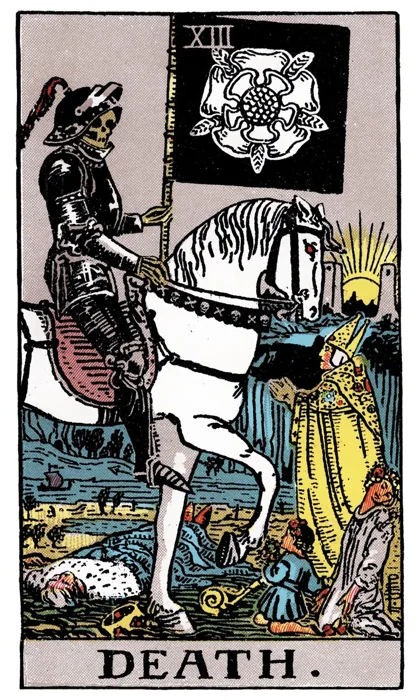
The flower complicates the banner’s severity. It allows a reading of continuity through change while leaving room for the particular losses that a transition can contain.
The distant light remains visible while the foreground is occupied by an ending. The image can suggest a future without requiring you to know its shape or welcome it immediately.
The role is gone before the reflex is
Internally, Death can describe the unsettling period after an identity stops fitting. You may no longer be the beginner, the reliable rescuer, the person waiting to leave, or the person committed to a particular ambition. The old role may have been restrictive and still have supplied an answer to what you were supposed to do each day.
Without it, freedom can feel surprisingly empty. You have gained time or choice but do not yet know what to place there. Resist the assumption that the space must immediately be filled. Some habits need time to become visible before you can decide whether they belong in the next stage.
There may be grief for a version of yourself that will remain unrealised. A path closes, and with it the imagined person who would have lived that path. The loss can matter even where the choice was sensible. You are allowed to recognise what you are relinquishing without treating regret as an instruction to reverse the decision.
As a person, this card may describe someone willing to acknowledge that an arrangement has reached its end. They can make substantial changes even when the familiar system is difficult to leave. That ability can become a habit of cutting things off too soon. Starting over may then protect them from having to repair damage or stay accountable through a problem that could still be resolved.
Much of you continues through a major change. The skills you learned remain useful, and some relationships may develop beyond the circumstances in which they began. You also retain memories of what mattered. It is possible to recognise that an earlier part of life had value while accepting that the arrangement itself no longer works and has ended.
What remains when a form has ended?
Death asks you to distinguish life from the particular forms through which you have been living it. Leaving a job does not remove the abilities you developed there, just as a changed relationship still belongs to your history. Even a belief you have outgrown may have begun with a question that continues to matter. This distinction can keep an ending from becoming a total erasure.
It also challenges the wish to preserve everything that has been meaningful. Meaning does not always require continuation. A season of work, a friendship, or a place may have shaped you profoundly without remaining available forever. Holding its value is different from demanding that it retain its previous place in the present.
The passage often includes a period in which the new form cannot yet be named. You know what is no longer true before you know what will replace it. That interval can tempt you into a premature identity simply because any answer feels better than uncertainty. Allow the next stage to acquire evidence through experience.
There is an ethical dimension to ending well. Other people may be affected by your departure, and unfinished responsibilities do not disappear because you have reached emotional clarity. Where possible, communicate, hand over, settle what you have agreed, and make the limit understandable. Release becomes more substantial when it includes attention to consequences.
The deeper lesson is not that every loss improves you. Some losses remain painful, unjust, or without an adequate explanation. The practical question is how to continue living in their presence without being required to justify them. A future can develop beside grief rather than replacing it with a more acceptable story.
Close the work that is already finished
At work, Death may concern leaving a role, ending a project, retiring a method, or accepting that a professional identity needs revision. The card does not instruct you to resign. It asks where the old arrangement has stopped supporting the purpose it once served, and what evidence would help you make a responsible decision.
Projects can remain officially alive long after meaningful work has ceased. There is always another meeting about the file, and each small revision creates the impression that completion is approaching. If the project no longer has a viable aim or route, naming that fact can release resources for something with a better chance of becoming real.
An ending may require practical closure: documentation, communication, payment, ownership, and a handover of whatever remains useful. These tasks can feel mundane beside the emotional importance of the transition. They matter because they allow other people to understand what has ended and what they can now rely on.
Creative work brings the need to abandon a version. A scene, argument, or entire draft may have taught you what the eventual work needs while no longer belonging in it. Keeping it because of the effort invested can prevent the piece from taking its next form. Save the material if useful, then let the current work answer its own requirements.
A change of profession or ambition may involve mourning a competence you no longer want to organise your life around. Being good at something does not obligate you to keep doing it indefinitely. Equally, dissatisfaction deserves investigation before it becomes a dramatic conclusion. The problem may be the setting, workload, or terms rather than the whole field.
The shadow is using reinvention to avoid the difficult middle. You repeatedly end undertakings when the novelty fades, then interpret the departure as evidence of growth. Ask what has actually become unworkable and what remains merely uncomfortable. A meaningful ending should have a more specific basis than the desire to feel new again.
What has ended, and what is still possible?
In relationships, Death can describe a breakup, but it can also concern the end of a particular pattern or stage within a continuing bond. A couple may no longer be able to organise life around the same roles, expectations, or silences. The card cannot decide whether the relationship should end; it asks what cannot continue unchanged.
A transition may become visible through grief for the earlier connection. You miss a period when circumstances were easier, roles were clearer, or the future felt less complicated. The relationship may need a new agreement rather than an attempt to reproduce that stage. People cannot always return to being who they were when a bond began.
Where separation is occurring, clarity can be kinder than preserving ambiguous access out of guilt. This does not require coldness. It requires an honest account of what you are offering and what you are no longer able or willing to offer, so the other person is not asked to organise hope around an arrangement you have already left.
There may be an ending inside a relationship when a harmful pattern is genuinely addressed. An old way of arguing, withdrawing, or dividing responsibility must stop if the bond is to continue. The change needs more than a moving conversation. Look for a different practice that can survive the return of ordinary pressure.
The shadow is threatening departure whenever you want influence. An ending becomes a tool for securing reassurance, compliance, or immediate attention. This can make the whole relationship feel provisional. If the concern is a need or boundary, state it directly rather than repeatedly making the existence of the bond the stake in the argument.
After an ending, attachment may continue through routines, imagined conversations, or a wish to obtain the final explanation. Some questions may remain unanswered. You can decide what contact and habits support your present life without requiring the past to become perfectly settled first.
Release the arrangement, count the remaining obligations
A practical ending can take longer than the decision to leave. Moving home or closing a venture may leave recurring payments and agreements that still require attention. Go through them carefully, distinguishing what ends automatically from what you need to cancel or renegotiate. Make a note of anything that requires professional guidance so it does not disappear among the smaller tasks.
Some possessions keep an earlier life present. Equipment for work you no longer intend to do can be difficult to release; clothes may carry a similar attachment to a former identity. You can keep things because they remain useful or mean something to you. It is also worth recognising when an object stays mainly because deciding about it would mean acknowledging a change.
An investment of money or effort can make an unworkable arrangement difficult to leave. The cost already incurred deserves recognition, but the next commitment needs to be assessed on its current terms. Continuing solely to avoid feeling that something was wasted can enlarge the loss rather than recover it.
Death does not predict financial ruin or guarantee a profitable fresh start. Its practical value is attention to closure and transition. Identify the resources available for the next stage, the obligations that remain, and the scale of change you can realistically support.
A necessary ending can still take time to absorb
Change may consume energy after the decisive event is over. You are learning new routines, encountering reminders, and repeatedly discovering small ways the old arrangement organised your attention. The fact that you chose the ending does not make this adjustment effortless or remove the need for support.
Leave room for ordinary continuity. Familiar meals, sleep, manageable work, and contact you do not have to explain yourself within can help a changing life remain inhabitable. You need not redesign every area at once simply because one important form has ended.
The card cannot predict physical death, diagnose illness, or identify a medical outcome. If health concerns are part of the question, use appropriate care and evidence. In a symbolic reading, Death concerns the practical and emotional work of a transition, including the permission to have an uneven response to it.
Name the ending precisely
As advice, Death asks for an accurate sentence about what is over or needs to stop. Name the agreement that no longer works or the version of a project you have finished. If a role needs to end, explain which terms make it impossible to continue. Precision helps you preserve what remains valuable instead of making a total judgement under the pressure of change.
Complete one act of closure. Send the clear message, archive the work, remove the recurring obligation, or arrange the handover. A practical act gives the ending a form the rest of your life can recognise. It can also reveal which part of the transition you have been avoiding.
The shadow is making destruction feel profound. A dramatic break can produce immediate relief and a sense of identity, while leaving the underlying pattern untouched. Before severing something, ask whether the aim is a necessary ending, a repair you do not want to attempt, or an escape from a feeling that will travel with you.
Another shadow is compulsory optimism. You insist that everything is for the best because grief or uncertainty feels intolerable. A more honest account can hold possibility without erasing cost. The next stage does not need you to pretend that the previous one ended neatly.
The ending keeps being postponed
Reversed, Death can describe resistance to a necessary conclusion, a prolonged transition, or difficulty allowing an old identity to lose authority. The card does not tell you which ending is required. It asks what you keep trying to restore and whether the conditions for that restoration still exist.
One expression is maintaining the appearance of continuity. You preserve the title, routine, contact, or project status while the actual relationship to it has already changed. This may protect you from an uncomfortable conversation, but it can also keep other people making decisions on the basis of information you know is no longer accurate.
Another expression is fear of the empty interval. You would rather remain in a familiar difficulty than face a period without a settled role. That fear deserves respect. The practical response may be preparation and support, allowing a transition to become more possible instead of demanding an unsupported leap.
The reversal can also mean that a change is happening more gradually than you expected. Habits, attachments, and practical obligations do not always disappear together. Notice what has actually shifted before deciding that the whole process has failed. A slow transition may still be a real one.
A constructive reversal preserves something that was about to be discarded too broadly. You recognise that the setting must change while the vocation remains, or that a relationship needs a new pattern rather than an automatic ending. Careful distinction can make the transformation more accurate and less needlessly destructive.
What is changing its form?
These pairings concern symbolic endings and transitions. They do not predict a death, illness, or unavoidable loss.
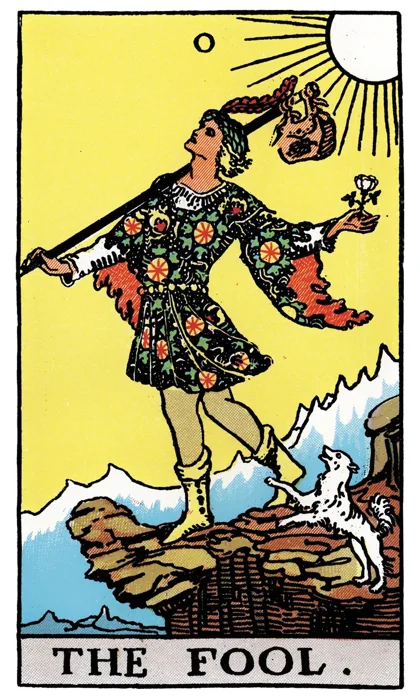
With The Fool
With the Fool, an ending opens an unfamiliar beginning. Give the new stage room without asking it to erase the past immediately. Preparation can coexist with curiosity, especially where practical responsibilities continue after the old form has ended.
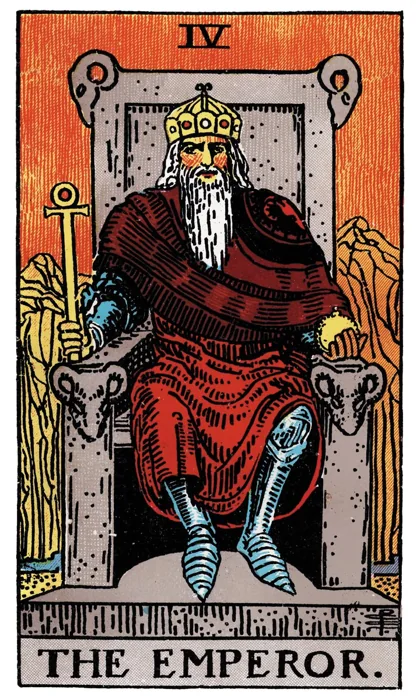
With The Emperor
With the Emperor, an established structure may need substantial revision. Determine which function remains necessary and which arrangement no longer serves it. Stability can be rebuilt through a clearer form instead of preserving every feature of the existing one.
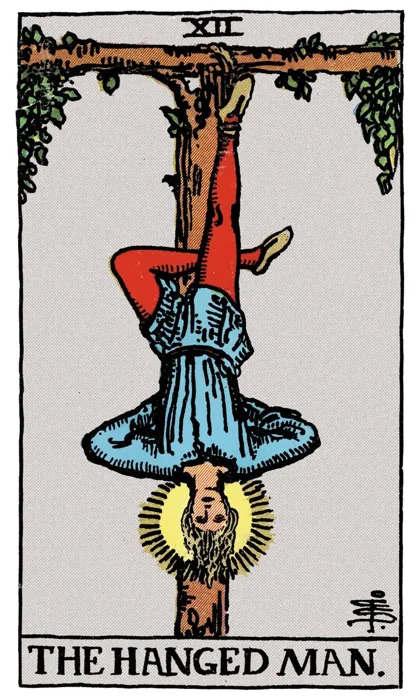
With The Hanged Man
With the Hanged Man, a suspended matter may need acknowledgement that it cannot resume as before. The pause could be protecting you from the uncertainty after an ending. Clarify what information is missing and what conclusion you may already understand.
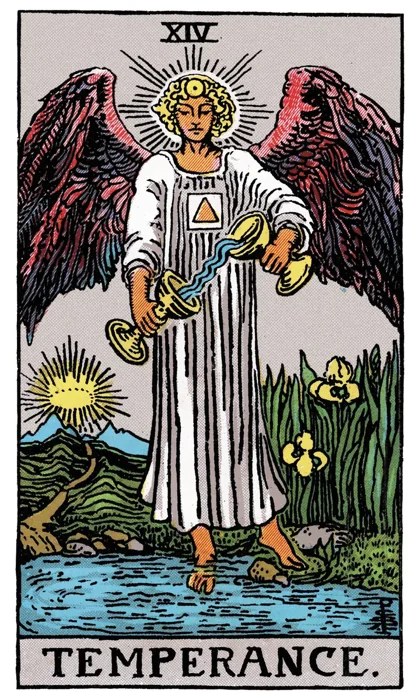
With Temperance
With Temperance, transition needs integration. Practical adjustments and a manageable pace can help a changed life become workable. You do not have to replace every habit at once; some continuity may support the parts that genuinely need to change.
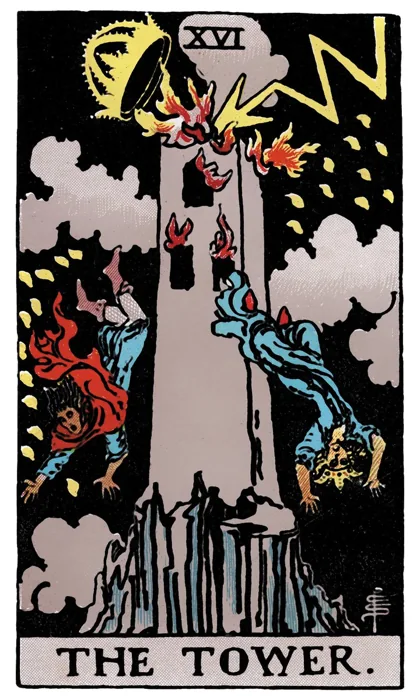
With The Tower
With the Tower, the old form may become impossible to preserve after a disruptive revelation or change. Focus on the actual facts and immediate needs. The pairing is no forecast of catastrophe; it asks what repair or closure visible conditions require.
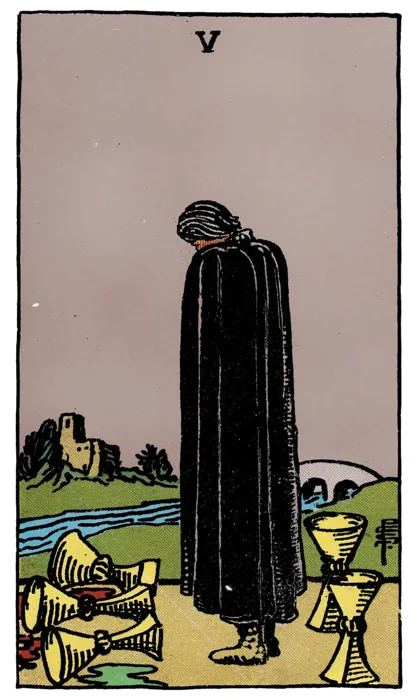
With Five of Cups
With the Five of Cups, the loss within a transition deserves attention. Recognising what remains does not require rushing past grief. A fuller account can include disappointment, value, and the resources still available without forcing them into a single mood.
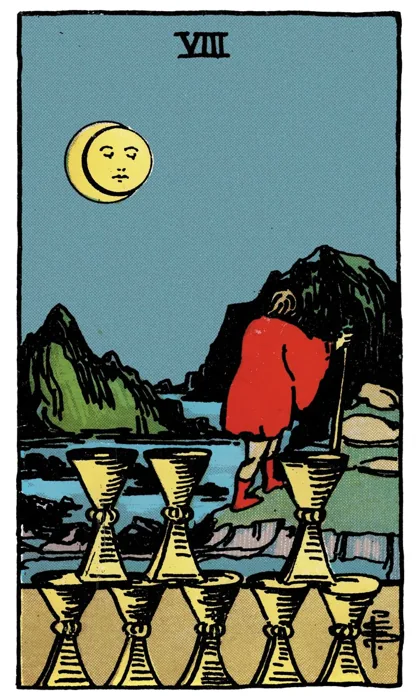
With Eight of Cups
With the Eight of Cups, departure may follow a sustained recognition that something no longer nourishes you. Understand what you are leaving and what practical preparation the move needs. A meaningful past does not automatically create an obligation to remain.
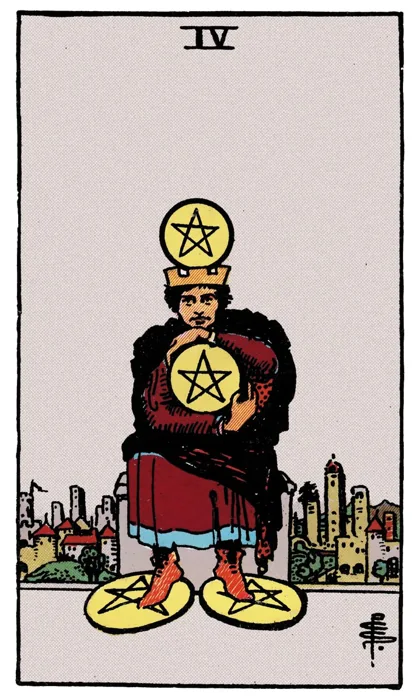
With Four of Pentacles
With the Four of Pentacles, the wish for security may be preserving an arrangement past its usefulness. Identify what genuinely needs protection. Releasing one form of control may create more workable stability than maintaining an increasingly costly grip.
The last performance and the empty room
The last performance offers an image of an ending that does not cancel the work. The rehearsals, skill, and relationships remain part of the people involved after the stage is cleared. Completion can preserve meaning precisely because it allows the particular form to finish.
The emptied room carries a more ambivalent feeling. Space has been released, but the absence of familiar objects makes the change visible. A person may welcome the move and still pause at the doorway. The card allows that mixed response without requiring a verdict about whether the ending was good or bad.
The craftsperson who dismantles a failed version shows transformation at a smaller scale. The maker sorts what can be reused from what must be let go, carrying the knowledge gained into the next attempt. The next work is made possible by recognising those differences rather than treating the earlier effort as either sacred or worthless.
Separate what ends from what comes with you
Choose one transition and make three short lists: what is ending, what responsibility remains, and what you want to carry forward. Alongside possessions, consider what you learned and the relationships you hope to maintain. You may find habits worth keeping too. The lists help you see the actual shape of the change without assuming that your entire life must be replaced.
Complete one small action from the first two lists, then give one item from the third a place in your present week. The purpose is to let an ending become real while preserving enough continuity for the next stage to develop.
Artwork & interpretation
Waite describes the rider, flowered banner, and distant sun while discussing transformation and changes in consciousness. This guide offers an original practical reading of endings and continuity; it does not use the card to predict physical death. A. E. Waite, The Pictorial Key to the Tarot: Death.
The symbolic associations and examples offer ways to read a situation. They do not establish another person’s thoughts or fix an outcome.
An ending can be necessary without being painless, welcome, or immediately useful.
Use the cards in a spread →