Cups · Knight
Knight of Cups
A feeling that has decided to make an approach
The Knight of Cups prepares to make an offer. Care goes into the words and the gesture, with the hope that someone will respond. Continuing after that first beautiful moment asks for a more ordinary kind of commitment, which will give the offer its substance.
- Invitation
- Idealism
- Charm
- Emotional pursuit
15 min read
In this guide
An invitation brings feeling into the open
The Knight of Cups brings feeling into motion. You want to act on a private wish, perhaps by approaching someone you admire. An invitation lets another person consider a possibility that has existed mainly in your imagination. There is intention in the gesture. The Knight wants the experience to happen and is prepared to give it a form that can attract a response.
The Knight may approach with an affectionate invitation or a proposal meant to bring an idea to life. A creative pitch and an attempt at reconciliation can share this wish to make a possibility appealing. The approach often relies on care with words and presentation. Consider what the person is asking you to participate in once the persuasive first impression has had its effect.
The card is often read romantically, but its territory is wider than courtship. An artist pursuing a vision or a colleague proposing a collaboration can bring the same quality of attention. The wish for a more meaningful life can also motivate such an approach. What unites these situations is the attempt to carry an inner value into an actual exchange.
The Knight's strength is the ability to animate a possibility. They can give a dry plan atmosphere, make someone feel specifically noticed, or articulate the part of an undertaking that people want to care about. This is a real contribution. Human beings do not choose only through lists of requirements; they also need to understand why an experience might matter.
The limitation is that the approach can become more developed than the commitment behind it. A person may know exactly how to offer a beautiful future while having given little thought to its ordinary maintenance. This does not automatically make the feeling false. The sincerity still needs to be matched by a realistic capacity to keep the commitment once the offer has been accepted.
As a court card, the Knight can describe an approach you are taking or being invited to consider. It does not require a particular gender, age, or personality type, and it cannot identify another person's hidden intentions. Ask what is actually being offered, how clearly it is expressed, and what room remains for a free answer.
The cup is extended; the horse is moving quietly
The rider carries a cup ahead of the body while the horse steps forward at an unhurried pace. The armour remains visible, but the scene contains no raised weapon or charge. The image presents an approach whose force lies in the offering. Attention is directed towards what is being carried and where it might be received.
Wings appear on the helmet and footwear, while the outer garment carries a fish pattern. These details give the figure a quality of imagination and movement. In this reading, they suggest the wish to bring a feeling beyond its private setting. The image does not require a claim about a supernatural message in order to convey that movement.
A stream crosses the landscape, with dry, uneven ground and distant hills around it. The route is not entirely made of the atmosphere the Knight brings. There is terrain to negotiate. The picture leaves a practical question beneath the elegant gesture: can the person carrying the ideal adapt to the actual conditions of the journey?
The horse's controlled pace offers a useful counterweight to a reading based entirely on sweeping emotion. An approach can be deliberate, attentive, and paced to the other person. Grace may involve restraint. What is offered becomes easier to trust when it does not demand that the recipient match the giver's intensity immediately.
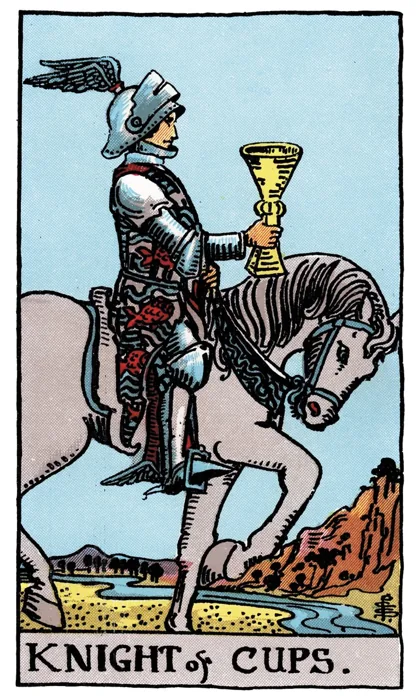
The cup is held forward. Ask whether the gesture leaves room to discover what the other person wants, or whether they have already been assigned a part in a story prepared for them.
The horse moves through an actual landscape. A sincere intention becomes more credible when it can adjust to timing, limits, and practical conditions without losing all its interest.
Wanting the experience can become part of your identity
The Knight can feel inspired, emotionally articulate, and unusually ready to act on what matters. A possibility gives the day direction. You consider which words would express it best, perhaps choosing music or a setting that helps the approach feel right. There is pleasure in preparing the gesture because the preparation already allows you to inhabit some of the hoped-for experience.
As a person, the Knight may be attentive, imaginative, courteous, persuasive, and sensitive to atmosphere. They can make an ordinary meeting feel like an occasion. They may also care deeply about being the kind of person who offers beauty, meaning, or understanding. That self-image can support generosity, provided it remains open to the recipient's actual experience.
The difficulty begins when the role matters more than the encounter. You want to be the rescuer, the great love, the misunderstood artist, or the person who changes someone's life. The other person becomes important partly because they make that identity possible. Their unexpected needs or lack of enthusiasm then feel like an attack on a story they never agreed to enter.
There can be a tendency to trust a feeling most when it is at its most intense. As the mood changes, a promise made inside it becomes harder to inhabit. Emotional honesty includes recognising this variation. A commitment should be sized for what you can continue to do, not only for what you sincerely want to do in an inspired hour.
The mature Knight can remain romantic or idealistic without becoming helpless when reality is ordinary. A changed reservation need not spoil the care behind a beautiful evening. They can also hear a disappointing answer and remain attentive after the encounter has lost its elegance. This gives the feeling a depth that presentation alone cannot supply.
An ideal must survive meeting someone else’s reality
An ideal draws a person towards something beyond the current arrangement. It can make courage, creativity, or tenderness possible. The Knight carries that motivating image into the world, where it encounters other desires, limits, and interpretations. The deeper task is allowing the ideal to become a relationship with reality rather than a demand that reality remain obedient to it.
This is particularly visible in love. It is possible to be sincerely devoted to the experience of loving while knowing the beloved only partially. The feeling is real, but the relationship requires another stage: curiosity about the person who exists outside the role the feeling has made for them. The Knight grows when admiration can withstand discovery.
Creative life contains the same problem. A work may begin in a powerful atmosphere, but the actual making asks for choices, revisions, and attention to what the material will permit. The original vision remains valuable as a direction. It becomes restrictive when every necessary change is treated as a betrayal of the inspired beginning.
The card also asks what beauty is doing in an exchange. It can help something true become perceptible. It can also make an unclear proposition harder to question. The useful distinction is whether the graceful language brings you closer to understanding the offer or encourages you to stop asking about it.
A mature idealism remains capable of action after enchantment has softened. Care continues when the person is tired, and an artistic intention remains worth pursuing when a sentence needs work. Reconciliation likewise requires staying with uncomfortable particulars after the warmth of the first approach. The offering has moved beyond its arrival scene. It has begun to acquire a life.
Courtship is an opening, not a completed account of care
In romance, the Knight can describe an invitation, an affectionate pursuit, a desire to make the connection more explicit, or a period of renewed attention. The approach may be thoughtful and pleasing. Enjoy what is actually offered while allowing time to reveal how the person behaves outside the carefully prepared moment.
A good romantic gesture notices the recipient. It takes their tastes and circumstances into account. The recipient still has room to decline or respond in a way the giver did not anticipate. Grandeur is not the measure of care. A modest invitation at the right time can be more attentive than a spectacular gesture that places someone under pressure to accept publicly.
In an established relationship, the Knight can restore deliberate courtship. Familiarity sometimes makes affection assumed rather than expressed. An invitation, a chosen occasion, or words that name what you still admire can reopen attention. The gesture becomes richer when it grows from knowledge of the present person rather than a repetition of what once impressed them.
Reconciliation may also arrive through this card. A warm approach can make conversation possible, but it should not be asked to replace the conversation. If a specific pattern caused hurt, repair needs to address that pattern. The beauty of the apology is only one part of what happens next.
The shadow is being more available during pursuit than during relationship. The chase provides a clear emotional role; ongoing closeness asks for consistency, negotiation, and the tolerance of less dramatic days. Look at the pattern of participation after the first response has been secured. Care becomes easier to judge through repeated behaviour.
When you are the one making the approach, be clear about what you are offering now. Interest, affection, a date, an attempt at repair, and a long-term commitment are different things. Honest scale protects the feeling from being burdened with promises made mainly because they suited the mood of the moment.
Give the vision terms someone can work with
At work, the Knight can bring a compelling proposal, a creative direction, a diplomatic approach, or an invitation to collaborate. The person sees what could make the project meaningful and knows how to communicate its appeal. This is useful at a stage when others need a reason to become interested.
The next step is to give the proposal an ordinary structure. What is being made, who is responsible for which part, and what time or resources are available? Clear terms do not impoverish the vision. They allow other people to decide whether they can participate in it honestly.
For creative work, the card can describe a strong attachment to a mood, theme, or artistic ideal. Follow it far enough to make something. Then let the material answer. A scene, composition, or design may reveal a more interesting direction than the original plan, provided the creator is willing to notice what is actually happening on the page.
The Knight can be effective in communication that requires tact. They understand how an approach affects willingness to listen. This becomes a strength when tact makes a difficult truth easier to discuss. It becomes avoidance when the language remains so pleasant that nobody can determine what has been agreed or what needs to change.
The professional shadow is overpromising under the influence of enthusiasm. You want the collaboration to happen, the client to feel understood, or the project to remain beautiful, so the practical estimate expands beyond your real capacity. Make the promise after examining the ordinary workload. A smaller reliable offer protects both the relationship and the work.
A disappointing response to a proposal can also test the Knight. Rejection of the current offer need not mean rejection of every value behind it. Ask what can be learned about fit, timing, or execution. The ideal may deserve another form, another audience, or simply a more developed attempt.
Atmosphere is part of an offer, not its full terms
Material choices can be strongly influenced by the life an offer seems to promise. A place, object, or experience arrives with a persuasive emotional setting. Notice the appeal, then ask about the thing itself. The ordinary details should remain understandable after the story has made you want it.
Generosity can become an expression of courtship or reconciliation. Keep the gesture within what you can genuinely offer, and leave the recipient free from an unspoken debt of feeling. A gift becomes complicated when it is expected to settle a disagreement or secure an answer that has not otherwise been freely given.
At home, the Knight may want to make life more beautiful or more expressive of a shared ideal. This can be welcome when the people using the space are considered. Ask whether the proposed change suits daily habits as well as the atmosphere of a special evening.
The card does not establish the reliability of a financial proposal or predict a profitable opportunity. Its practical question is whether charm and aspiration are helping you understand the arrangement or taking the place of that understanding. A clear offer should tolerate ordinary questions without treating them as a failure of trust.
Let the promise fit more than one mood
Inspiration can create a temporary abundance of willingness. You want to write all night, organise the whole occasion, or be endlessly available to someone. Before turning that willingness into a promise, consider what remains possible on an ordinary day. A sustainable expression gives the feeling a better chance to continue.
The Knight may also become dependent on a particular atmosphere before action feels meaningful. When the music, mood, or response is missing, the undertaking appears to have lost its truth. Try making a small part of the work or gesture available under less ideal conditions. The value may be more durable than the emotional setting that first revealed it.
The card cannot explain persistent changes in mood or energy. For reflection, it asks how feelings influence the commitments you make. You can honour an inspired moment while choosing a form that does not leave a later version of you, or another person, responsible for an impossible amount of follow-through.
Offer what you can actually provide
If you want to offer something, offer it in a form the other person can understand. Say what you are inviting them into and leave room for an answer. Grace does not require ambiguity. A clear, considerate approach can carry more warmth than a beautiful gesture whose expectations remain hidden.
If an offer has come to you, consider its appeal and its practical terms separately. What do you like about it? What is actually promised? What would you need to learn before taking a larger step? You do not have to choose between enjoying the attention and asking reasonable questions.
The shadow is using charm to move past a boundary that has already been expressed. Persistence does not become care simply because it is poetic. An attentive approach includes the capacity to hear no, notice hesitation, and allow another person's preference to alter the scene.
Another shadow is contempt for ordinary maintenance. The dishes, deadlines, repairs, and repeated conversations may seem beneath the ideal, but they are often where the ideal becomes visible as behaviour. Choose one practical act that supports the beautiful intention after the moment of presentation has ended.
The gesture and the commitment may have drifted apart
Reversed, the Knight can describe an offer that is unclear, a feeling that changes quickly, charm without dependable action, disappointment in an ideal, or reluctance to make a sincere approach. The reversal is not proof of deception. Examine the actual gap between words, capacity, and behaviour.
A person may mean what they say while being unable to sustain what they have implied. This still matters to the recipient. Intention does not remove the consequences of repeated promises that fail to become action. A clearer, smaller commitment may be more useful than another increasingly emotional account of how much the situation means.
Sometimes the reversal concerns withdrawal after the desired response has been received. The approach was energising; the relationship or project now asks for another kind of participation. Notice whether interest can develop beyond pursuit, or whether a new unattained ideal is already replacing the present one.
The card can also describe disillusionment that has hardened into mockery of tenderness. After being disappointed, you may dismiss every graceful approach as manipulation or every ideal as foolish. A more useful response examines specific behaviour and terms. Discernment can remain open to genuine care without surrendering its questions.
A constructive reversal may involve revising the script. You admit that the grand gesture does not fit, offer an honest apology without performance, or make a practical promise you can keep. The feeling loses some theatrical scale and gains a more trustworthy place in the actual relationship.
What happens after the invitation is accepted?
These pairings explore approach, persuasion, and follow-through. They cannot establish that a person is secretly in love, dishonest, or about to make a particular offer.
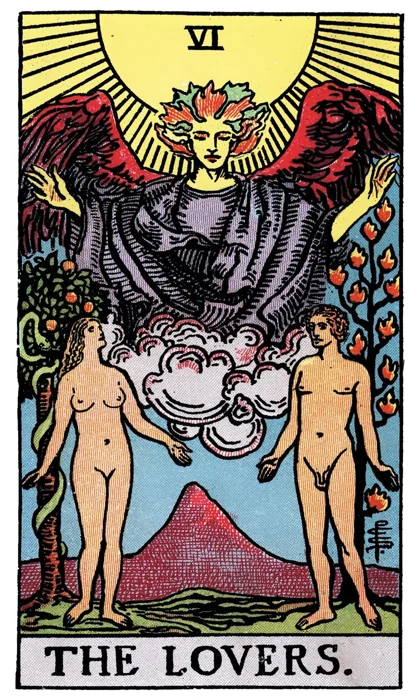
With The Lovers
With the Lovers, an appealing approach meets a real question of values and mutual choice. Speak about the relationship or project each person actually wants. The feeling can open the conversation, while the answer requires more than the pleasure of being chosen.
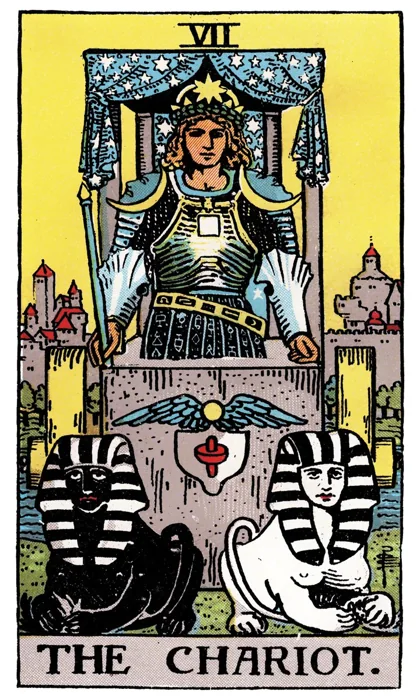
With The Chariot
With the Chariot, an ideal may acquire direction and sustained effort. Define where you are going and what conduct will support the journey. Determination is most useful when it remains responsive to the people and conditions involved, rather than treating every hesitation as an obstacle to overcome.
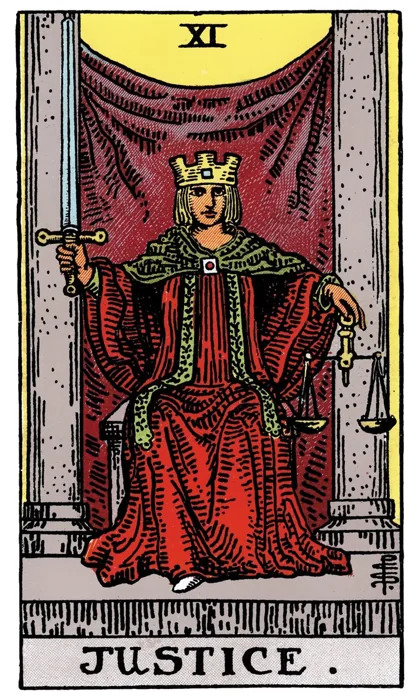
With Justice
With Justice, a graceful offer needs clear and fair terms. Make responsibilities and expectations explicit. The combination can help a persuasive vision become an agreement people understand, rather than an atmosphere each participant has interpreted differently.
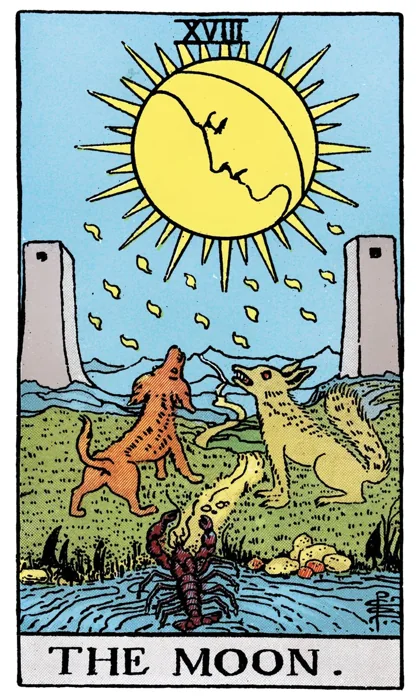
With The Moon
With the Moon, attraction and uncertainty may amplify each other. Ask what is known about the offer and what has been supplied by hope or fear. A vivid feeling can guide attention while leaving practical conclusions open to further information.
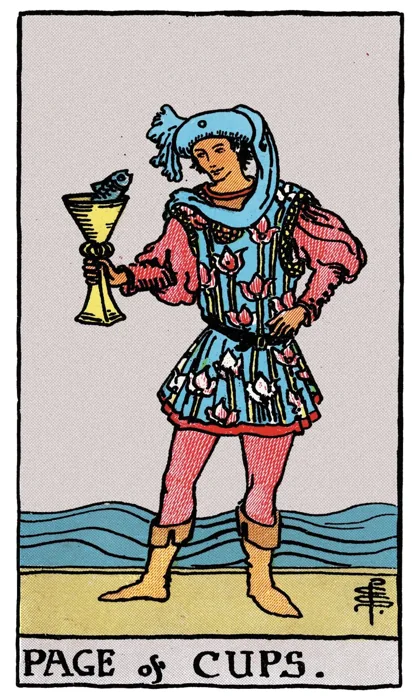
With Page of Cups
With the Page of Cups, a small emotional opening may be gathering the courage to make an approach. Keep the scale appropriate to what is actually known. The invitation can be sincere without promising a whole future before an ordinary exchange has taken place.
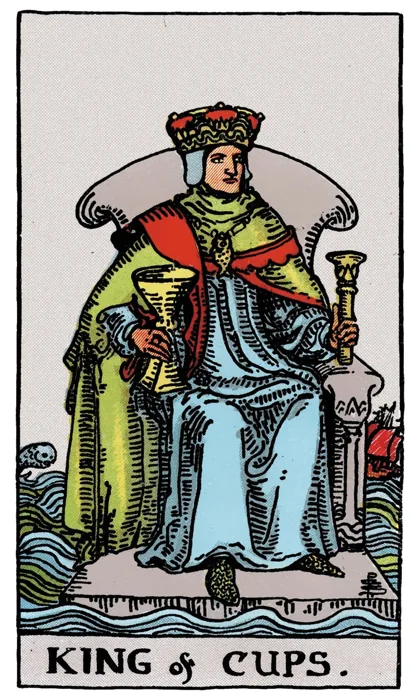
With King of Cups
With the King of Cups, inspiration benefits from emotional steadiness and responsibility. Let the gesture fit your real capacity and the recipient's circumstances. The pairing asks how an attractive intention can become care that remains recognisable after the first mood changes.
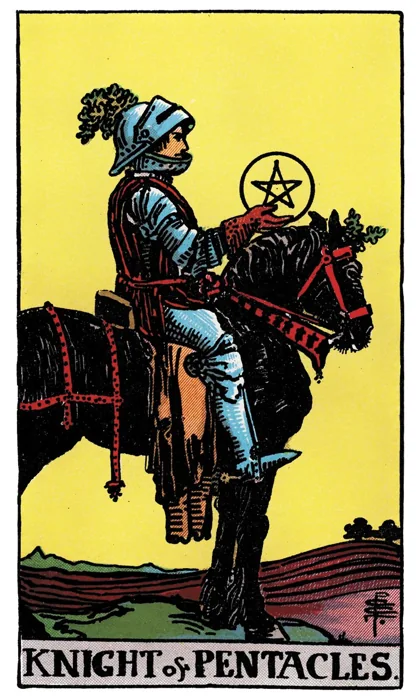
With Knight of Pentacles
With the Knight of Pentacles, feeling and consistency can support each other. Give the ideal a repeated practical expression. A modest action carried out reliably may make the larger promise easier to trust than another beautifully described future.
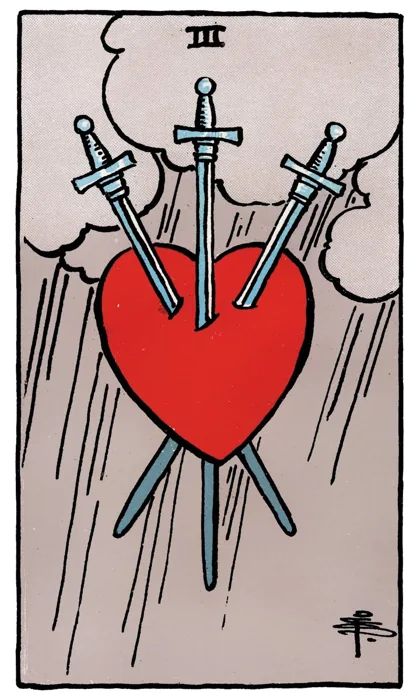
With Three of Swords
With the Three of Swords, an approach may concern disappointment or repair. Name the actual hurt rather than asking charm to make it disappear. A sincere gesture becomes more meaningful when it leaves room for the other person's pain and for the changes the situation requires.
An offering meets its recipient
The envoy arrives with an offering and must learn the terms of the place receiving it. A successful approach includes listening. The envoy's eloquence is useful when it makes an exchange possible, and less useful when it merely delivers a speech that cannot be changed by an answer.
A serenade turns feeling into an occasion. Its beauty depends partly on whether it is welcome. The same gesture can be moving or intrusive under different circumstances. The Knight's tact lies in recognising that the recipient's experience is part of the meaning, rather than an interruption of the performance.
The artist carrying a vision has already encountered something worth making. The journey ahead will involve materials, revision, and a work that develops its own demands. The vision remains alive when the artist can stay devoted through these ordinary negotiations, instead of preserving it forever as an immaculate beginning.
Turn one attractive intention into an offer you can keep
Choose something you want to offer: an invitation, a collaboration, affection, repair, or a creative proposal. Describe the feeling behind it, the concrete form you can provide, and the response the other person is free to give. Remove any promise that depends entirely on your current mood continuing unchanged.
Then make or revise the approach. Notice what the answer teaches you about the real encounter. The Knight of Cups becomes practical when the beauty of the intention can survive contact with timing, limits, and a person who has a life beyond the scene you imagined.
Artwork & interpretation
Waite describes a graceful, quietly moving rider and associates the card with approaches, invitations, and propositions. This original essay develops the relationship between emotional intention, presentation, consent, and follow-through; it does not treat historical reversed accusations as evidence about a person. A. E. Waite, The Pictorial Key to the Tarot: Knight of Cups.
The symbolic associations and examples offer ways to read a situation. They do not establish another person’s thoughts or fix an outcome.
A beautiful approach gains weight through what the person is willing to do after it has been received.
Use the cards in a spread →