Cups · Six
Six of Cups
What the past brings into the room with you
The Six of Cups returns to something familiar whose meaning has developed over time. An old gesture of affection may bring comfort, and memory can offer useful knowledge. Consider what still fits the present. You can receive something valuable from the past while recognising how much your life has changed since then.
- Memory
- Familiarity
- Kindness
- Continuity
16 min read
In this guide
A familiar thing carries more than its visible weight
A song begins, someone uses an old phrase, or you open a drawer and find an object from another period of life. The present briefly acquires another depth. The Six of Cups describes this contact with what has been carried through time: memory, affection, learned habits, and the feeling that a gesture belongs to a longer story.
The card concerns nostalgia, familiar relationships, childhood associations, kindness, and continuity. It may describe returning to an old interest, hearing from someone you knew, or finding comfort in a shared history. These are possibilities to examine through circumstances, not events the card can promise. The central question is how the past is participating in the present.
Familiarity can make care easier to receive. A remembered preference or a shared reference can make you feel recognised. Help may arrive without your having to explain the whole situation again. There is pleasure in not having to introduce yourself from the beginning. At its best, the Six allows history to support recognition while leaving room for the person you have become.
The card can also describe simple generosity. A small gift, an uncalculated kindness, or a shared pleasure may matter because it is offered without an elaborate performance. The gesture need not be expensive or transformative. Its meaning comes from attention to another person and from the freedom to receive it at its actual scale.
The past is not necessarily a place of safety, and the Six should not impose an idyllic childhood on everyone who draws it. You may be remembering a particular good moment within a difficult period, recognising an old limitation, or deciding which inherited pattern you do not want to continue. Memory can be mixed and still informative.
In an outcome position, the Six may prompt you to revisit something that mattered. A conversation with an old acquaintance or a return to earlier work can reveal what remains useful today. Pay attention to what has changed as well. The encounter can be worthwhile because it meets a present need, even if it feels different from the memory that brought you back.
A flower-filled cup offered in a sheltered courtyard
Two small figures stand in a courtyard surrounded by buildings. The larger figure offers a cup filled with white flowers to the smaller one. Other flower-filled cups stand in the foreground and on a raised ledge. A distant figure is visible at the left. The scene gives attention to a modest exchange within an established, familiar-looking place.
The cups contain flowers rather than a visible drink. They are vessels of a gift, something selected and presented for another person's enjoyment. Read symbolically, the image suggests affection expressed through a tangible gesture. The value of the gift need not be measured by utility or price; its meaning can lie in the attention it carries.
The surrounding buildings create a sense of enclosure and continuity. Yet the image alone cannot tell us whether every person experiences that place as safe or welcome. This distinction matters in a card so often linked with childhood. Familiar surroundings can hold comfort, constraint, or both, depending on the actual history they contain.
The two central figures differ in size, introducing an asymmetry into the exchange. Generosity may flow between people with different capacities or roles. A careful reading asks whether the offer supports the recipient's agency or expects a particular response. Even a warm image can invite attention to how care and influence meet.
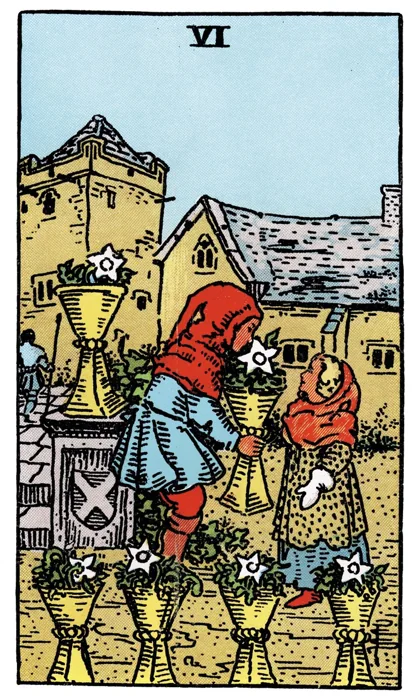
The offered flowers make attention visible. A familiar gesture can carry years of association, but its present meaning still belongs to the people exchanging it. Let the recipient have room to enjoy, question, or decline what is offered.
The enclosed courtyard suggests continuity without telling us the whole story of the place. Memory may preserve comfort and difficulty together. Ask which qualities you want to carry forward and which conditions no longer need to define your life.
Remembering from a different stage of life
The Six of Cups can feel like tenderness towards a former version of yourself. You remember an interest, friendship, or hope that has become distant beneath later responsibilities. The memory may reveal something still alive in you. It may also show how much your needs have changed since the experience first acquired its meaning.
Nostalgia often selects. You may remember the pleasure of a conversation more vividly than the awkward journey to get there. A period of freedom can also look simpler once its uncertainty has faded from memory. This does not make the pleasure false. It means memory should be received as a present experience of the past, rather than treated as a complete record against which today's ordinary life must compete.
A familiar relationship may reactivate an old role. You become the quiet child, the responsible one, the entertainer, or the person who needs advice before you have consciously chosen how to participate. Notice the shift. History explains why the role is available; it does not require you to occupy it unchanged.
The card can also bring permission for simple enjoyment. You return to a game, story, food, or craft without needing to make it sophisticated enough for your current identity. Pleasure can be unproductive and still worthwhile. A former interest may now offer a different kind of company because you meet it with more experience and fewer expectations.
If memories are difficult, the useful task may be to distinguish what belongs to then from what is happening now. A familiar feeling can be strong without making the present situation identical. The card cannot interpret your history for you. It can provide a prompt to notice where old knowledge helps and where it may need a more current account.
Continuity does not require repetition
A life gains coherence partly through what is carried forward: language, habits, stories, skills, and remembered care. The Six of Cups honours that continuity. You do not begin from nothing each day. Even experiences you have left behind may have contributed something usable to the person making choices now.
Yet inheritance is not the same as obligation. A family custom, community expectation, or former identity may be familiar without remaining suitable. You can examine what it provides and what it costs. Keeping one meaningful element while changing the surrounding arrangement can be a more faithful response than repeating the whole pattern mechanically.
The card also asks how memory shapes expectation. An early experience of kindness may help you recognise care; an early disappointment may make it difficult to trust. Neither should become an unchangeable law about every future relationship. Present encounters deserve enough attention to reveal their own pattern, including evidence that differs from what familiarity predicts.
There is a temptation to seek innocence as though it were a state to which an adult could simply return. A more useful possibility is recovered simplicity with knowledge intact. You can enjoy a small gesture, play, or ask for comfort while retaining the judgement developed through experience. Ease need not depend on forgetting what you know.
The deeper movement is to make a living relationship with the past. Memory can be visited, questioned, cherished, and revised as more of the story becomes available. It does not have to become either a shrine or a place you refuse to look. What matters is whether the relationship leaves you more able to inhabit the life that is present.
Let the people you know become people you can still discover
In relationships, the Six of Cups can describe affection rooted in shared history, an old friendship, a reunion, or a bond that offers familiar comfort. The ease can be valuable. You know the references and remember earlier chapters. Let that knowledge support the encounter without assuming it tells you everything about who the person is now.
A former partner or friend may come to mind, but the card does not establish that they will return or that resuming contact would be beneficial. Consider why you want the connection now. Are you interested in the actual person and present circumstances, or seeking access to a version of yourself associated with the relationship?
If reconnection occurs, allow an updated introduction. Learn what each person's life is like now before assuming you want the same connection. Discuss any old pattern you do not want to resume. Familiar affection can make the meeting warm while the practical relationship still needs to be renegotiated. History gives context; it does not automatically renew every former agreement.
In an established partnership, shared memories can restore perspective during a routine-heavy period. Revisit a place, tell a story, or repeat a small pleasure that still fits. Avoid using the past as an accusation that the relationship should feel exactly as it once did. The useful question is which quality you miss and how it could take a suitable form now.
Family relationships may involve care mixed with old expectations. Someone offers help in a way that also returns you to a less independent role. Appreciate what is genuinely useful while clarifying your present position. A boundary can allow affection to continue without requiring the whole relationship to remain organised around who needed what many years ago.
The card also belongs to relationships with children and younger people. Offer attention that respects their developing preferences rather than using them to recreate your own childhood or fulfil an unfinished wish. Shared play and simple kindness can be meaningful without demanding that the recipient preserve the giver's preferred story of innocence or gratitude.
An old interest may deserve a new set of conditions
At work, the Six of Cups can suggest returning to an earlier idea, reconnecting with a former colleague, or using a skill that has fallen out of view. Examine what is still relevant. An old project may become workable because your experience, resources, or audience have changed, but it still needs to be assessed under present conditions.
A former professional identity may contain strengths you no longer recognise as useful. Teaching, making, organising, or communicating in another setting can leave transferable knowledge. Name the actual skill rather than dismissing it because the earlier role ended. Continuity becomes practical when you can explain what you know and how it applies now.
Creative work may benefit from returning to the subjects that interested you before you became preoccupied with reception. What did you notice, collect, or make when the activity felt more direct? The answer is a starting point, not a command to reproduce juvenile work. Present craft can give an old fascination a richer and more deliberate form.
A familiar team can offer trust and shared language, but it can also preserve outdated roles. You may still be treated as the beginner, organiser, or person who accepts extra work long after your responsibilities have changed. Make the current contribution visible. A healthy working relationship can update its understanding without requiring you to erase the history entirely.
Mentoring fits the card when experience is offered with care and proportion. Share what you know while recognising that the learner's circumstances may differ from yours. A method that once worked for you deserves explanation and testing, not automatic obedience. The purpose of passing on knowledge is to increase the other person's capacity to choose.
The professional shadow is nostalgia for a supposedly better period that prevents useful change. The old process may have served a smaller team or a different environment. Identify the quality worth preserving — trust, craft, autonomy, or time to think — and seek a current structure for it. Repeating the original form may not recover the value you actually miss.
Keep the meaning without keeping every object or obligation
Materially, the Six of Cups can bring attention to gifts, family possessions, familiar places, or resources shared through a long relationship. Clarify present ownership and expectations where necessary. Sentimental meaning does not remove practical questions, and a useful agreement can protect affection from becoming entangled with unspoken obligations.
An object may carry a memory you value without remaining useful to keep. You can photograph it, record its story, pass it on thoughtfully, or choose to retain it. The decision need not be governed by a rule that everything sentimental must stay or that practical order requires discarding all traces of the past.
Spending may be drawn towards recreating an earlier feeling: a familiar holiday, a childhood object, or a home that resembles a remembered place. Ask which quality you want to recover. Comfort, play, belonging, or slower time may be available in more than one form. The purchase should be judged by what it can actually provide now.
Family help can be welcome while carrying expectations that need discussion. A gift does not automatically purchase authority over your choices, but the people involved should understand the terms. The card does not predict an inheritance or reunion around money. It invites attention to how resources and history are interacting in the present arrangement.
Return to a pleasure that does not require an impressive result
A familiar activity can reduce the effort of deciding what to do. Whether you are walking a known route or returning to a familiar story, less explanation is needed. Practised movements can offer that same comfortable place for attention to settle. This can be useful during a demanding period. The value may lie in repetition itself, provided the activity remains something you enjoy rather than another ritual you feel obliged to maintain.
The past can also become a place to disappear when the present feels difficult. Notice whether revisiting it leaves you more able to return to daily life or increasingly unwilling to meet it. There is room for refuge, but refuge becomes more useful when it supports participation rather than replacing every available encounter with the current world.
The card cannot assess health or explain the effects of personal history. Its reflective question is which familiar experiences offer comfort at a suitable scale. You may choose an old pleasure, adapt it, or decide that it no longer fits. Continuity should remain available as a resource rather than become another demand to feel what you once felt.
Revisit with curiosity rather than instructions for the present
Choose something from the past that still draws your attention and ask what quality it represents. Is it play, companionship, freedom, recognition, or a skill you enjoyed using? Look for a way to meet that quality now. This makes the memory informative without requiring the whole former setting to be rebuilt.
If you reconnect with someone, allow both of you to have changed. Share memories, then ask present-tense questions. Find out what matters to them now, including any difficulties they want to discuss. Ask what kind of contact would fit their present life. An old bond can become a new relationship with a history, rather than a performance in which everyone must resume their former part.
The shadow is idealising familiarity. A person or arrangement feels right because it resembles what you know, even when the pattern is limiting. Familiarity deserves attention but not automatic trust. Compare the present behaviour with your actual needs, including those you did not know how to name when the pattern first became normal.
Another shadow is making a gift carry a hidden request for loyalty or regression. You offer care and expect the recipient to remain the person you remember. Let generosity support their current life. The affection becomes more durable when it can survive the discovery that the person receiving it has preferences and possibilities beyond your shared past.
The old story may need a different relationship with today
Reversed, the Six of Cups can describe nostalgia that has become restrictive, difficulty leaving an old role, a changed relationship with memory, or a deliberate movement towards a different future. It does not require rejecting the past. Ask which part of the old arrangement is still being treated as obligatory and whether that assumption remains useful.
You may be comparing the present with a period remembered mainly through its most appealing moments. Add some of the ordinary facts back into the picture. This need not destroy the memory's pleasure. It allows today's imperfect life to be assessed against a more realistic account rather than an edited scene it can never equal.
The reversal can also indicate discomfort with receiving familiar care because it returns you to a role you have outgrown. Explain what form of support would fit now. If the relationship cannot adapt, a clearer boundary may be needed. Independence can coexist with affection, but it requires the present person to have standing in the exchange.
Sometimes a previously cherished story becomes more complicated as you learn or remember more. Allow the account to change without demanding an immediate final judgement about the whole period. A good memory can remain good within a mixed history, and a difficult fact deserves recognition even when it disrupts a comforting narrative.
A constructive reversal may bring a new way of carrying continuity. You adapt a tradition, release an object while keeping its story, or create the kind of welcome you once needed. The past becomes material for a chosen life rather than a complete plan you must either obey or destroy. What comes next can acknowledge where you began without being confined to it.
What is returning, and what is different now?
These pairings explore memory, familiar care, and continuity. They do not promise that a former partner will return, establish a past-life bond, or determine what someone's childhood must have been like.

With The Fool
With the Fool, a familiar interest may be approached with fresh freedom. Bring what you have learned without requiring the new attempt to repeat the old one. The combination can support a beginning that honours history while allowing a genuinely different experience.
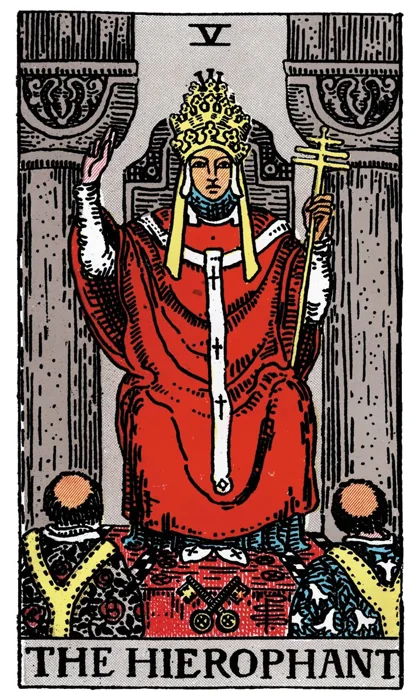
With The Hierophant
With the Hierophant, an inherited custom or shared tradition may need examination. Identify the value it carries and whether its current form still serves the people involved. You can preserve meaning while changing practices that no longer fit present needs.
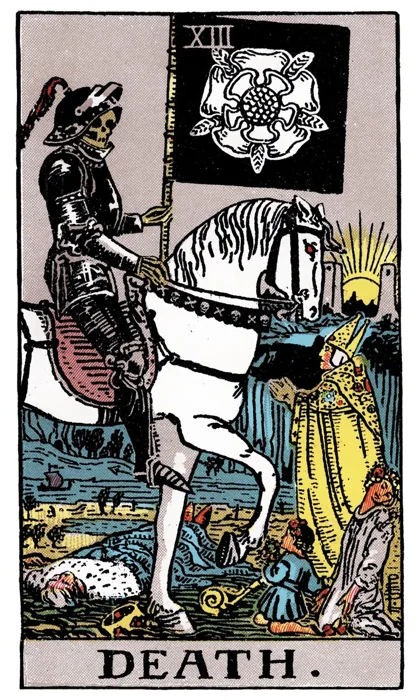
With Death
With Death, a former arrangement may have ended while affection or memory remains. Separate what can be carried forward from what cannot be restored. The pairing concerns change symbolically and does not predict a death or require you to discard every connection with the past.

With Judgement
With Judgement, an old chapter may be understood differently and call for a present decision. Listen to what the review reveals, then identify what is actually yours to do now. Recognition becomes useful when it informs action rather than reopening every former obligation.
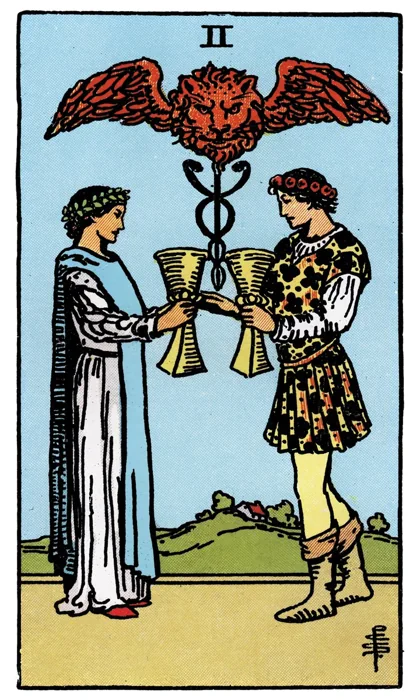
With Two of Cups
With the Two of Cups, shared history can support a renewed exchange. Let each person describe who they are now and what they want from the connection. Familiar affection is a useful beginning, but current mutuality still needs to be established through real conversation and behaviour.
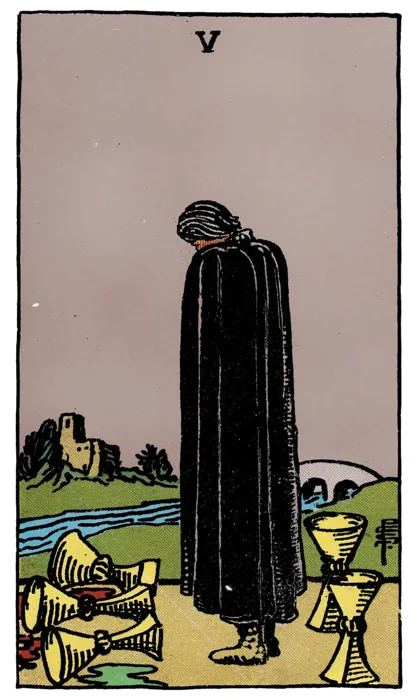
With Five of Cups
With the Five of Cups, memory may intensify a sense of absence. Allow the particular loss to be acknowledged without requiring every remembered moment to become painful. A meaningful part of the past can be kept while the present gradually finds other sources of support.
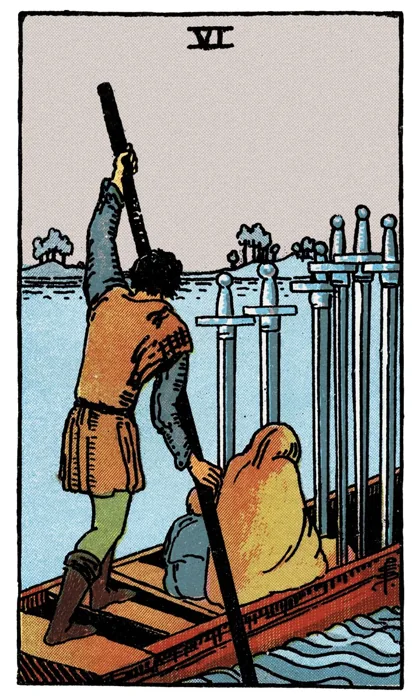
With Six of Swords
With the Six of Swords, movement away from a familiar setting may require deciding what to carry. Skills, affection, and stories can travel even when the whole arrangement cannot. Leaving need not make the past worthless or require that every remaining feeling be resolved first.
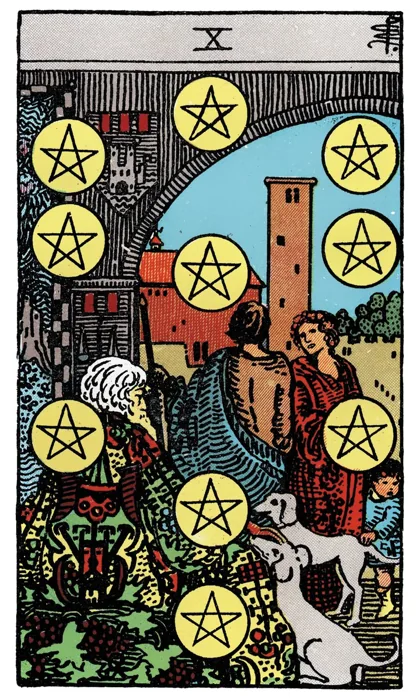
With Ten of Pentacles
With the Ten of Pentacles, family history and shared resources may shape present choices. Clarify the practical terms and the expectations attached to them. A useful inheritance can include knowledge and care while leaving future people room to build lives that differ from the original model.
Meeting familiar things again
A familiar recipe carries knowledge through repeated action. The person making it may remember who taught them, then alter an ingredient to suit the present household. Continuity survives through adaptation. The dish need not be identical for the relationship with its history to remain meaningful.
The old photograph offers a concentrated scene rather than the whole period around it. It can preserve real affection while leaving much outside the frame. Looking carefully means receiving what it shows and remembering that it cannot settle every question about the life in which the moment occurred.
A game resumed after many years gives a lighter echo. The pleasure may return, but the players are different people now, with other skills, limits, and reasons for joining. The experience becomes worthwhile through this new encounter. Its value does not depend on proving that the earlier self has remained untouched by time.
Carry one quality forward in a present-day form
Choose a memory, object, or former interest that still matters. Describe the quality you value in it and one part of its original setting you do not need to recreate. Find a small current expression of the valued quality: a shared meal, a conversation, a piece of play, or a return to a skill under more suitable conditions.
If another person is involved, ask how the experience feels to them now rather than assuming a shared memory has a single meaning. Let the encounter include what has changed. The Six of Cups becomes practical when the past adds depth to the present without requiring the present to stop developing.
Artwork & interpretation
Waite describes children, flowers, and an old garden, associating the card with memory and the past while also recording readings of renewal. This original guide develops familiar care, nostalgia, inherited roles, and a living relationship with history rather than a requirement to repeat it. A. E. Waite, The Pictorial Key to the Tarot: Six of Cups.
The symbolic associations and examples offer ways to read a situation. They do not establish another person’s thoughts or fix an outcome.
You can keep what was meaningful without making the present reproduce the conditions in which you first found it.
Use the cards in a spread →