Cups · Four
Four of Cups
When what is available does not feel like what you need
The Four of Cups sits with an offer that produces little enthusiasm. Tiredness may be part of the problem, or attention may already be occupied elsewhere. Sometimes the offer simply does not appeal. Understanding the pause makes it easier to decide what you want without treating the feeling as ingratitude or a final judgement on life.
- Dissatisfaction
- Pause
- Discernment
- Withdrawal
16 min read
In this guide
Another option arrives, and you still do not want it
Someone suggests a plan, offers help, or points towards something you used to enjoy. You understand why it might be good, yet nothing in you moves towards it. The Four of Cups describes this gap between what is available and what feels possible or desirable. The situation needs attention before it needs another enthusiastic suggestion.
The card concerns dissatisfaction, emotional distance, boredom, reflection, and a pause in receptivity. It can describe an opportunity going unnoticed, but that is only one reading. The offer may be unsuitable, badly timed, or another version of something that has already stopped satisfying you. The first question is what the lack of response means in this particular setting.
There is a difference between having no options and having no appetite for the options you can see. The latter can be confusing because others keep insisting that the practical problem is solved. You may need rest, a more accurate understanding of your desire, or a change in the terms of participation. More choice does not automatically create interest.
The Four may also indicate a useful refusal. You stop saying yes automatically and allow yourself to consider whether an invitation belongs in your life. That pause can protect attention and make later choices more honest. Its value depends on whether it leads towards discernment or becomes a place where every possibility is dismissed before it can be examined.
Sometimes dissatisfaction is information about a familiar arrangement that no longer fits. You have changed, but the same rewards, routines, or forms of care are still being offered. Try to name the mismatch specifically. A clearer account can lead to a conversation or experiment; a general conviction that nothing is worthwhile gives you less to work with.
As an outcome, the card may suggest that immediate acceptance is premature. Take time to assess the offer and your capacity to receive it. The image does not tell you that a hidden blessing must be seized. It asks whether attention can become clear enough for the next yes or no to be a real choice.
Three cups on the ground and one held out from a cloud
A seated figure rests beneath a tree with arms folded and legs crossed. Three cups stand on the grass in front of them. From the left, a hand emerges from a cloud holding another cup. The person's posture appears closed, but the image does not reveal exactly what they are thinking or whether the offered vessel has been consciously considered.
The tree gives the seated figure shade and somewhere to stay still. That shelter allows another reading of the withdrawal beyond ingratitude. A person who has kept accepting invitations automatically may need time away to recognise what they actually want. Pausing can make the next response more deliberate, whether it leads back into the activity or towards something different.
The three grounded cups and the offered fourth look broadly similar. From the figure's position, the new option may not appear to answer the dissatisfaction with what is already present. This gives the picture a useful ambiguity. Is something genuinely different being offered, or is the environment repeating its usual answer to a question it has not understood?
The hand remains extended while the person remains still. There is space between offer and response. Use that interval to understand the offer more closely, including its terms. Your own state also matters when deciding how to respond. Neither the giver's confidence nor the recipient's initial reluctance has to settle the matter before it has been understood.
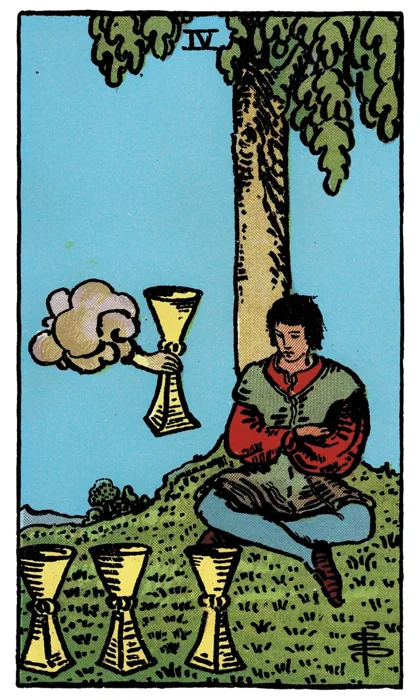
The closed position can suggest withdrawal, concentration, or a boundary. Before deciding that it is a problem, ask what the pause is doing. It may protect needed space, or it may have become a habit that prevents fresh information from entering.
The cup is available, but availability alone does not establish usefulness. Compare the offer with what you actually need. If you are too tired or preoccupied to assess it fairly, allow for that before deciding. A clear answer can follow from understanding that relationship.
A quiet no can contain several different experiences
The Four of Cups can feel like flatness, irritation, detachment, or a wish to be left alone. These experiences may look similar from outside while having different causes and meanings. Try describing the immediate state without making it your whole identity. You may be uninterested in this offer, tired today, or dissatisfied with a particular pattern.
Boredom can sometimes reveal underused attention. The activity asks too little of you, repeats a familiar reward, or leaves no room for choice. A more demanding question or a different role may restore interest. At other times, the problem is excess demand, and adding novelty simply creates another thing you are expected to respond to.
The card may also describe resentment that has not found a direct sentence. You do not want the offered cup because the relationship has ignored another need. Instead of allowing every small invitation to carry the whole complaint, identify what remains unspoken. The person offering may not know which conversation the refusal is actually part of.
Comparison can drain what is available of its particular value. You measure the present against an ideal relationship, a more exciting life, or a remembered period that has been edited by distance. This does not mean your dissatisfaction is invalid. It means the comparison itself deserves examination before it decides that every current option is inadequate.
If little feels appealing across several areas of life, the card cannot explain or diagnose that experience. Attend to the actual pattern and the support you may need. Within a reading, its useful role is to make the lack of response discussable without shaming you or demanding that a more grateful attitude immediately restore appetite.
Why a comfortable life can still feel unsatisfying
A life can contain objectively useful things while feeling difficult to inhabit. Stability can make life easier without explaining what you want from it. Even kindness and a promising opportunity may leave questions about meaning unanswered. The Four of Cups gives space to this discrepancy. You can acknowledge what is good without pretending that acknowledgement settles what is missing.
Gratitude becomes less useful when it is used to close a conversation. Being told that others have less may establish a comparison while leaving your actual experience untouched. A more honest question is what the dissatisfaction points towards. It might reveal a neglected value, a need for rest, or an expectation that no available experience could reasonably fulfil.
The pause also creates room for desire to become less reactive. You stop accepting each new offer merely because it appears. This can help you distinguish your preferences from the rewards other people assume should motivate you. But discernment needs contact with reality. If every option is rejected at a distance, preference may remain an ideal that no experience is allowed to test.
There is a difference between refusing a particular cup and refusing the condition of receiving anything imperfect. Real opportunities arrive with limits, ordinary details, and the possibility of disappointment. If you require an offer to restore complete enthusiasm before you engage, you may never encounter the experience through which interest could gradually develop.
The deeper task is to make the pause informative. What changes when you rest, ask a clearer question, alter the setting, or try a small version? These responses help distinguish a genuine lack of fit from a state that makes everything look similar. The aim is not compulsory positivity. It is a more accurate relationship with your own yes and no.
Find the part of the arrangement that has gone dull
At work, the Four of Cups can describe disengagement, a stale role, an unconvincing opportunity, or a pause before accepting more responsibility. Identify what has lost its meaning. The tasks, the reward, the environment, and the larger purpose are different parts of the arrangement. A change in one may help without requiring the entire career to be discarded.
An offer may look attractive on paper while repeating the conditions that already leave you dissatisfied. More status can bring more of the same work; a new project can preserve the same lack of autonomy. Ask what would actually change in an ordinary week. The answer is more useful than the appeal of the title or announcement.
If the work still matters but you feel unable to engage, examine capacity before inventing a motivational failure. Too many demands, unclear priorities, or an unresolved disappointment can make another opportunity feel like pressure. A smaller task or clearer agreement may help you discover whether the interest is absent or simply crowded out.
For creative work, the card can describe saturation. After too long with the piece and its references, you may struggle to see it afresh. That becomes harder still if each idea has to justify itself before you have tried giving it a form. Step away or change the kind of contact. A rough physical attempt, a different constraint, or time without evaluation may reveal something that further staring cannot.
The Four may also support declining work that does not fit. State the decision clearly rather than remaining indefinitely unresponsive. Where useful, name the conditions under which an opportunity would become relevant. This gives the other person information and helps you distinguish a thoughtful refusal from avoidance that leaves both sides suspended.
The professional shadow is waiting for perfect enthusiasm before taking any necessary action. Some worthwhile work becomes engaging through participation, and some remains ordinary but serves a chosen purpose. Decide which category the task belongs to. You do not need to enjoy every step, but you do need an honest reason for accepting the undertaking.
The offered care may not be the care you need
In relationships, the Four of Cups can describe emotional distance, routine, a missed gesture, or difficulty receiving what another person offers. Begin with the fit between the offer and the need. A partner may sincerely offer advice when you need to be heard. Their attempts to arrange activities or provide reassurance might also miss the need for quiet or a practical change.
Make the need specific where you can. Saying that nothing feels right leaves the other person guessing; explaining that you want an uninterrupted conversation gives them something to respond to. This does not guarantee agreement, but it makes the exchange more real. Care becomes easier to assess when its requested form is visible.
The card may also describe taking familiar affection for granted. A reliable person becomes part of the background while attention is absorbed elsewhere. Notice one actual contribution before deciding that the relationship contains nothing nourishing. Appreciation should remain honest, and it can coexist with a conversation about what needs to change.
If attraction is absent, you do not owe it because someone is kind or persistent. The extended cup is an offer, not a claim on your feelings. Respond clearly and respectfully where possible. A refusal can be thoughtful without requiring a case against the other person's worth or a promise that you will eventually feel differently.
In an established bond, withdrawal may be a needed pause or a way of expressing anger indirectly. Explain which is happening. Taking space is easier for both people when its purpose and likely duration are clear. Silence used to make someone guess or pursue can deepen the very disconnection you want them to repair.
For someone single, the card may invite a review of how you approach new encounters. Are you uninterested in the actual options, comparing everyone with an ideal, or lacking capacity for dating at present? Each answer is legitimate information. You can choose a pause or a different setting without declaring that meaningful connection is permanently unavailable.
A purchase may change the surroundings without changing the question
The Four of Cups can draw attention to spending driven by vague dissatisfaction. A new object promises interest, comfort, or a different version of daily life. Ask what need it is meant to answer and whether using it would genuinely change the experience. Novelty can be enjoyable while still being an incomplete answer to a deeper mismatch.
An offer may require careful evaluation precisely because it does not excite you. Familiarity can hide a useful opportunity, but pressure to recognise a supposed bargain can also obscure poor fit. Compare the terms with your actual priorities. The card does not establish whether a financial option is good; it invites a more deliberate assessment.
At home, you may have stopped noticing the place because it has become a container for routine. Before making a large change, try using a space differently or addressing one recurring irritation. The experiment may reveal whether you need novelty, better function, less clutter, or simply time at home that is not occupied by obligations.
If resources are limited, avoid turning the card into a demand to appreciate what you have instead of naming real difficulties. Gratitude does not repair an unsuitable arrangement. Identify the practical change that matters and the options within reach. A clear small improvement can be more useful than either forced contentment or an ideal transformation that remains unavailable.
Sometimes the most useful input is less input
Repeated choices, invitations, messages, and entertainment can leave attention crowded rather than nourished. The Four may invite a quieter interval in which you are not expected to respond. Notice whether interest returns when the volume decreases. A pause can reveal that the problem was saturation rather than an absence of curiosity or care.
Rest and avoidance can feel similar at first. Rest tends to make a next response more available, even gradually; avoidance may preserve the same unresolved pressure while narrowing the day around it. Use that distinction gently and specifically. You may need both genuine rest and one practical action that removes a recurring source of strain.
The card cannot explain persistent changes in mood, energy, or interest. If these are affecting your life, look beyond the reading for appropriate support. As a reflective image, the Four asks what conditions help you notice your experience accurately, without requiring immediate cheerfulness or treating a period of low appetite as your permanent nature.
Ask what would make the answer clearer
Before accepting or rejecting the next offer, identify what remains unclear. You may need information about the terms, time to recover, or a better account of what you want. Choose a small action that addresses that uncertainty. This turns the pause into a process rather than an indefinite suspension of every possible answer.
Try one modest change in contact with the situation. Ask a direct question, experience a small version, or step away for a defined period. Notice what changes. A useful experiment does not force enthusiasm; it gives you evidence about whether the problem lies in the option, the conditions, or the way you have been approaching it.
The shadow is making disappointment into a permanent standard of sophistication. Nothing is good enough, and dismissal begins to feel like proof that you see more deeply than others. Ask what could realistically earn your interest. If no answer is possible, the refusal may be protecting you from participation as much as expressing a considered preference.
Another shadow is accepting because you feel guilty about declining. A reluctant yes can create more resentment than a clear no. You can acknowledge the offer while giving a definite answer. There is no need to soften a refusal by promising feelings you cannot provide. Discernment becomes kinder when it allows both parties to stop waiting for an answer that is already known.
The pause may be opening, or hardening into a habit
Reversed, the Four of Cups can describe renewed interest, a new perspective on an existing offer, or readiness to rejoin something after a period of withdrawal. Look for a specific opening rather than expecting a complete transformation. A small willingness to ask, try, or meet may be the meaningful change.
The reversal can also indicate that the pause has become entrenched. You remain dissatisfied but avoid the conversations or experiments that might clarify it. Choose a manageable point of contact. The aim is not to force a positive response, but to stop treating your current distance as the only possible relationship with the situation.
Sometimes an opportunity has passed while you were undecided. Acknowledge the consequence without turning it into proof that you always miss what matters. Ask what prevented a clear answer and what you would do differently next time. Regret becomes more useful when it produces a specific lesson rather than a permanent accusation.
A returning appetite may lead to accepting too much too quickly. You are relieved to want something and begin filling every space that was previously quiet. Keep the pace proportionate. A renewed interest has a better chance to develop when it does not immediately inherit the expectation of restoring every neglected part of life.
A constructive reversal can be a more precise refusal. You understand that the offer is not suitable and can say so without withdrawing from everything else. This leaves room for a different possibility. The important movement is towards choice: a yes or no informed by the actual situation rather than by a general state of being unavailable.
What is the pause asking you to notice?
These pairings explore receptivity, dissatisfaction, and choice. They do not diagnose an emotional state or establish that an offer must be accepted because it appears in a reading.
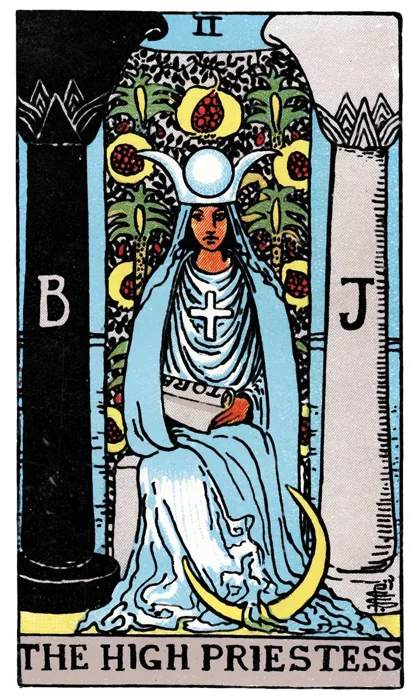
With The High Priestess
With the High Priestess, quiet attention may help you distinguish a real preference from pressure to respond. Allow the experience to become clearer before explaining it. The pause is useful when it deepens understanding, rather than making every practical question permanently inaccessible.
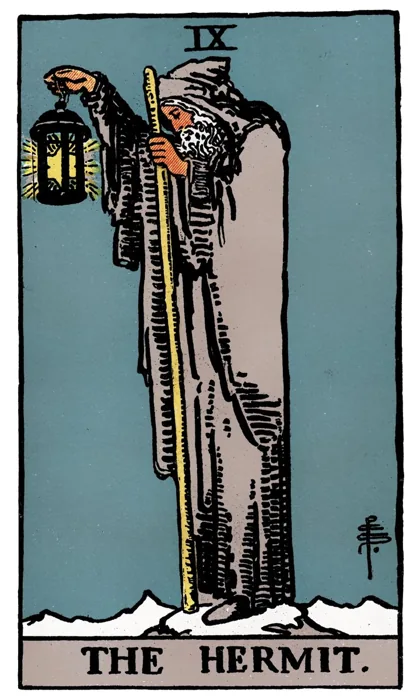
With The Hermit
With the Hermit, chosen solitude can support a review of what still matters. Give the withdrawal a purpose and a way back into participation. Reflection becomes more useful when it eventually changes a decision, a boundary, or the terms of an existing commitment.
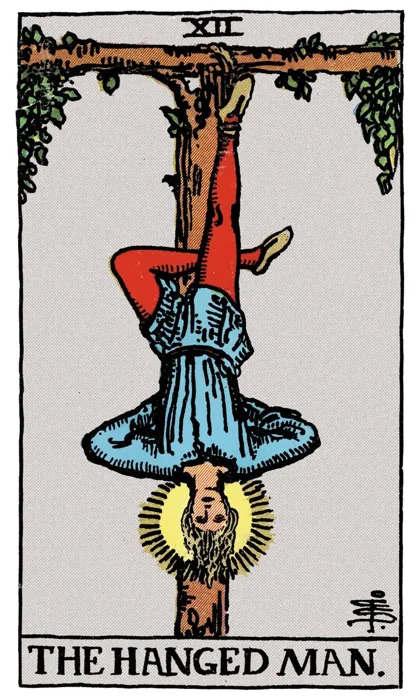
With The Hanged Man
With the Hanged Man, another perspective may be more useful than another option. Examine the expectation through which you are judging the situation. A changed question can reveal possibilities that remain invisible while every offer is assessed against the same unexamined ideal.
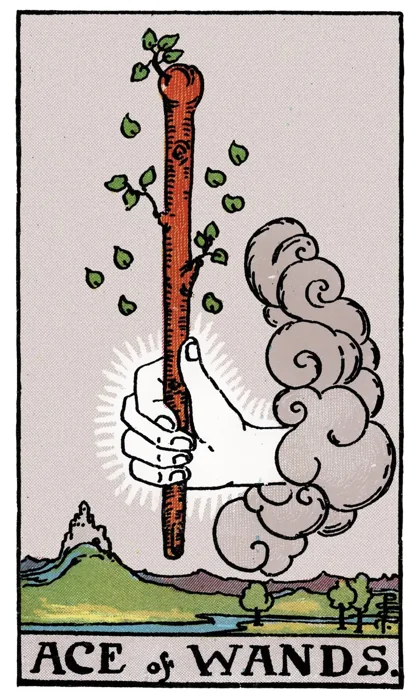
With Ace of Wands
With the Ace of Wands, a small spark may interrupt a period of disengagement. Follow it at a manageable scale without requiring it to transform your whole life. A brief experiment can show whether the interest has substance beyond the relief of feeling something new.
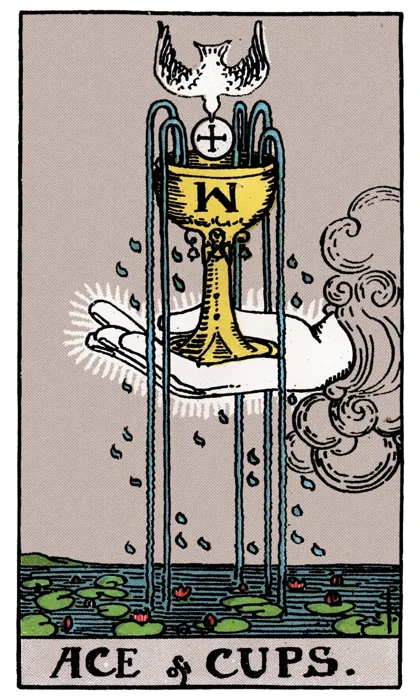
With Ace of Cups
With the Ace of Cups, care or feeling may be available in a form you cannot yet receive. Consider timing, fit, and capacity. Openness does not require accepting every offer; it can begin with an honest account of what would actually reach you.
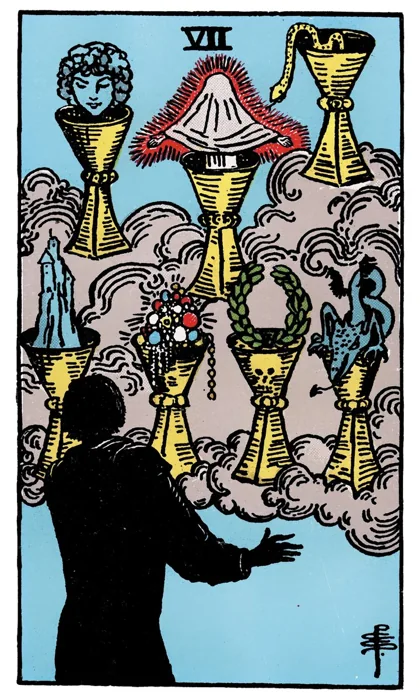
With Seven of Cups
With the Seven of Cups, imagined alternatives may make every real option look inadequate. Compare the ordinary demands of the possibilities, not only their attractive images. A small experience can provide more useful information than preserving several perfect futures at a distance.
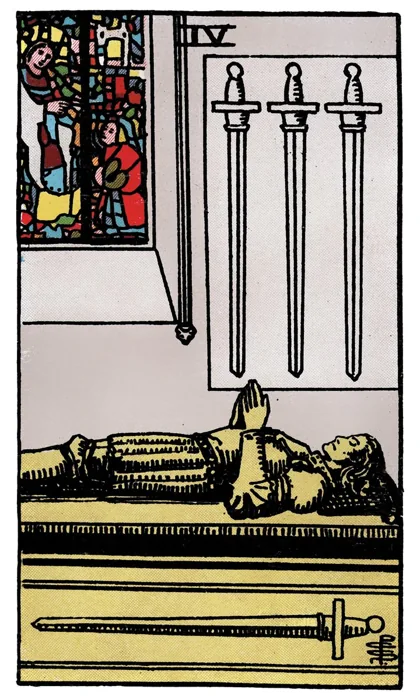
With Four of Swords
With the Four of Swords, rest may be needed before a fair decision is possible. Reduce unnecessary input and establish when you will return to the question. A defined pause can protect your capacity without leaving the situation indefinitely unanswered.

With Four of Pentacles
With the Four of Pentacles, the wish to preserve security may make receiving something new difficult. Identify what genuinely needs protecting and what could be tested safely. A bounded experiment may create information without requiring you to surrender the whole familiar arrangement.
The untouched meal and the room after too much noise
The untouched meal offers an image of the difference between provision and appetite. Something may be available and carefully prepared while the person cannot or does not want to receive it. The useful response begins with curiosity about the mismatch, rather than an accusation that the food's value should automatically create hunger.
The room after too much noise gives another echo. Quiet initially feels empty because attention has been responding continuously. After a while, smaller interests may become noticeable. The pause is valuable not because withdrawal is always superior to participation, but because perception sometimes needs less demand in order to become more precise.
The invitation left on a table captures the card's unresolved interval. It may be a missed opportunity, an unsuitable request, or a decision waiting for necessary information. The paper cannot tell us which. Its meaning develops through the recipient's circumstances and the eventual choice to answer, investigate, or decline.
Turn a vague lack of interest into one useful distinction
Choose something you have been avoiding or declining without a clear explanation. Write three possible reasons: the option does not fit, your present capacity is low, or you do not yet understand what you want. Identify one small action that could help distinguish them, such as a question, a trial, or a defined period of rest.
Afterwards, give the situation a clearer answer if you can. If you are interested, agree to something manageable; if you are not, say so honestly. Where the decision remains open, explain what information would help. The Four of Cups becomes practical when the pause helps you recover choice, instead of becoming another place where your life waits for a feeling that has not been allowed to develop.
Artwork & interpretation
Waite describes the seated figure, three cups, and another offered from a cloud, connecting the image with dissatisfaction and weariness; his reversed meanings include novelty. This original guide explores discernment, saturation, capacity, and the difference between an unnoticed opportunity and an unsuitable offer. A. E. Waite, The Pictorial Key to the Tarot: Four of Cups.
The symbolic associations and examples offer ways to read a situation. They do not establish another person’s thoughts or fix an outcome.
You do not have to accept what is offered, but it helps to know whether you are choosing or merely unable to notice a choice.
Use the cards in a spread →